1. Huatoyamí: Intercultural Kitchens for Wellbeing
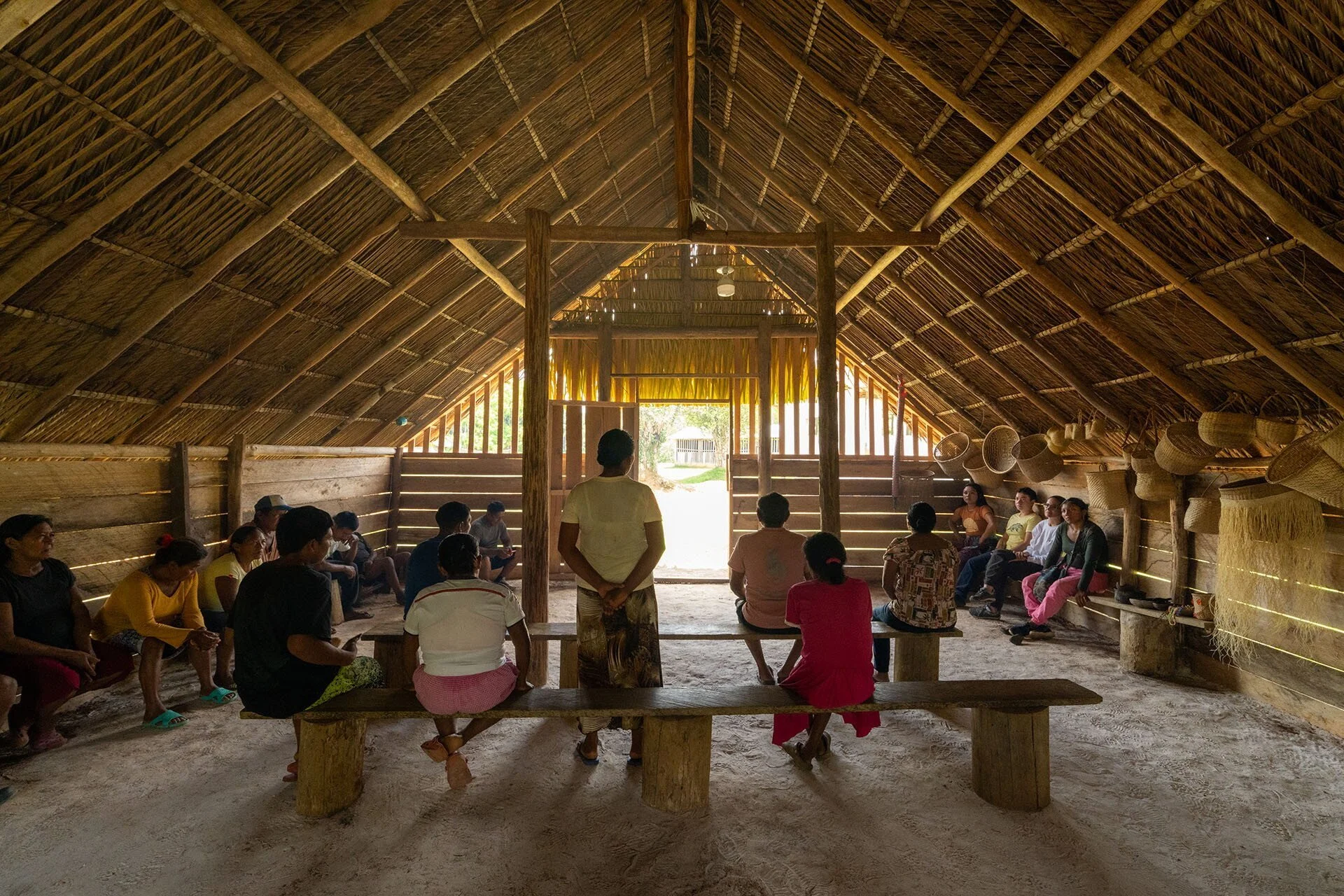
Photographs: Jonatan Bermúdez @filmakero
Partners
Sinergias
Location
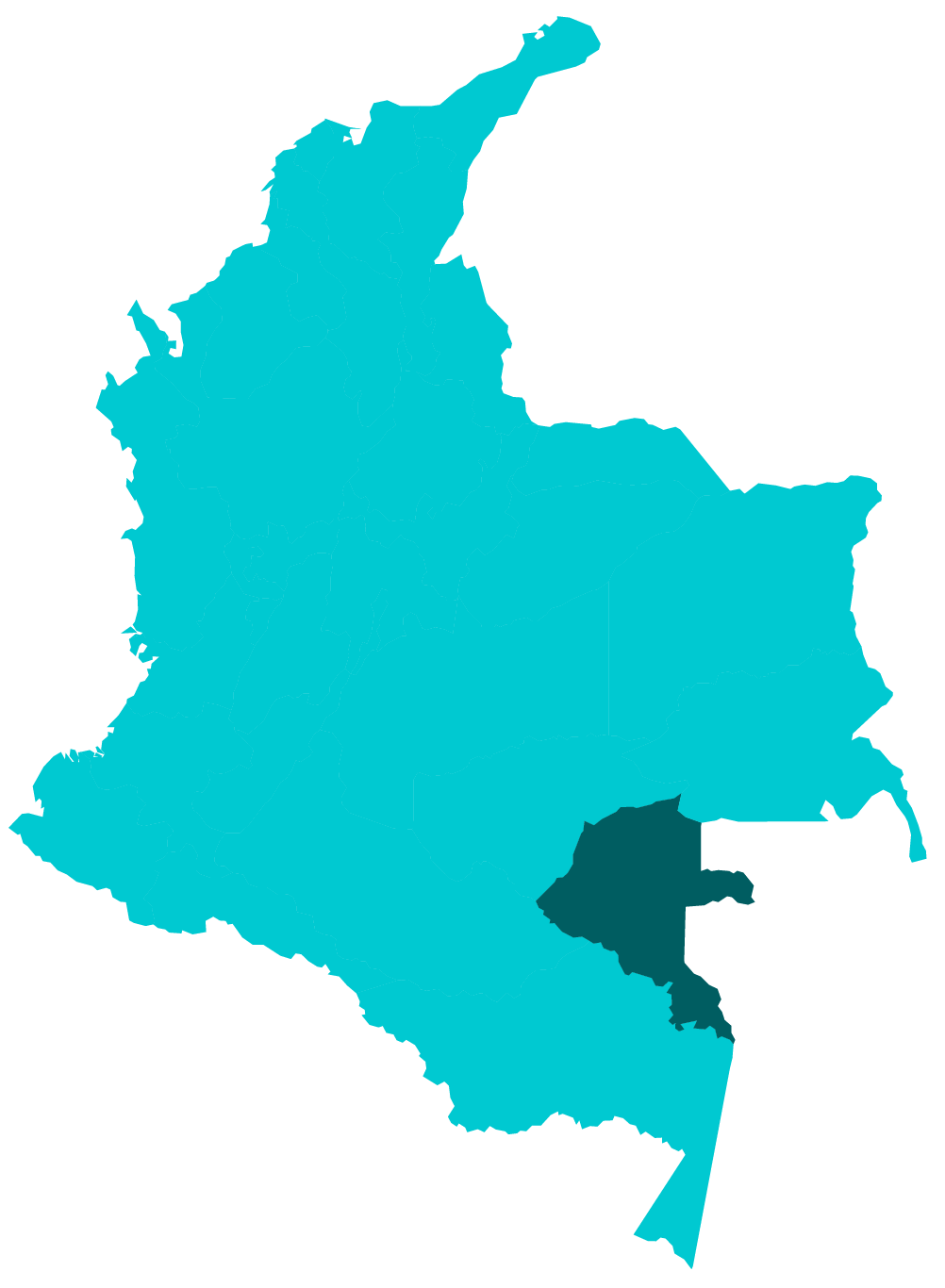
Mitú, Vaupés
Objectives
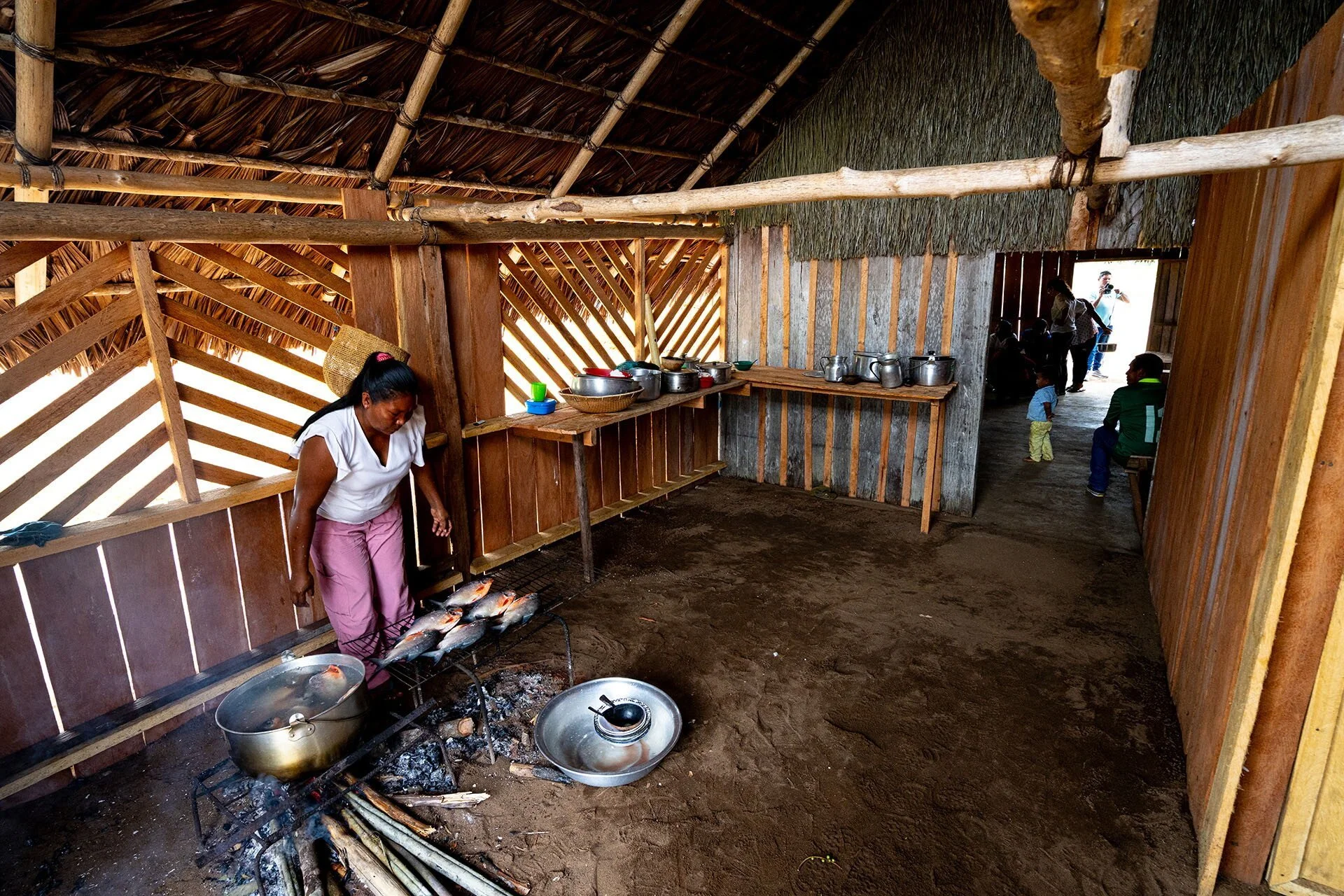
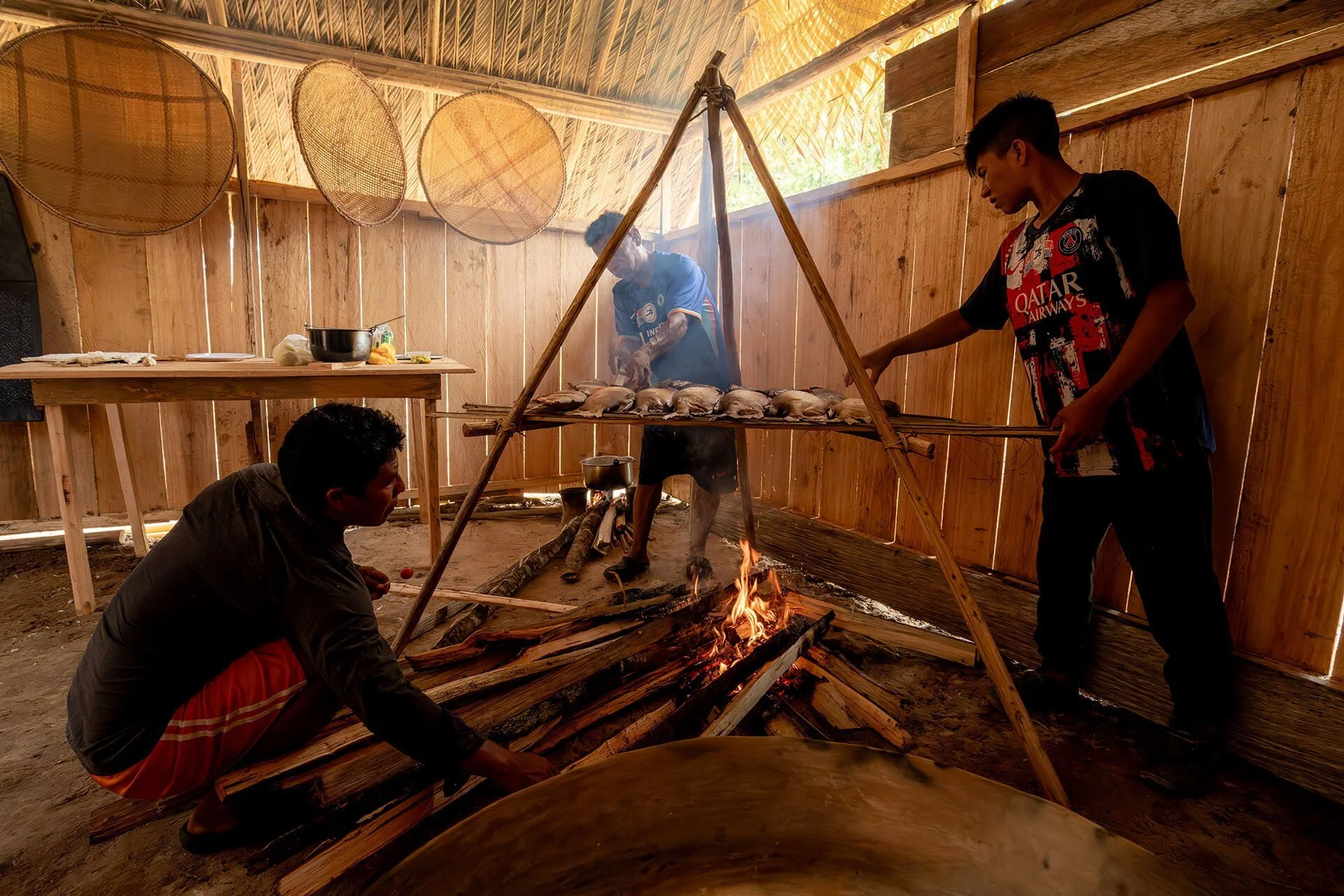
To promote good nutrition, healthy lifestyles, and the transmission of food-related knowledge in five Indigenous communities in Vaupés through the construction and equipping of community kitchens, consolidated as spaces for collective care.
Activities
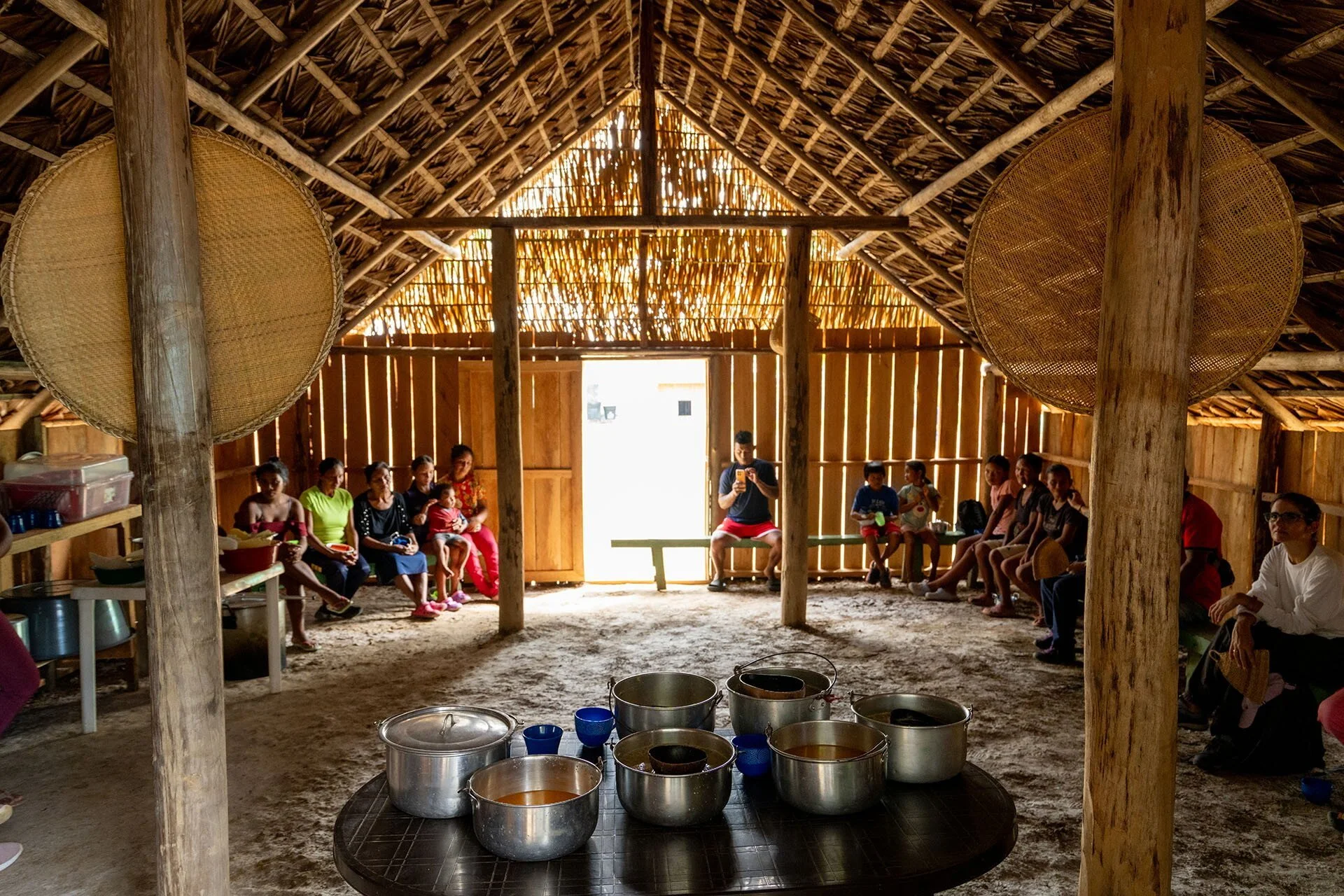
Construction and equipping of an intercultural kitchen in five Indigenous communities in Vaupés: Santa Marta, Puerto Corroncho, Puerto López, Tucandira, and Pueblo Nuevo.
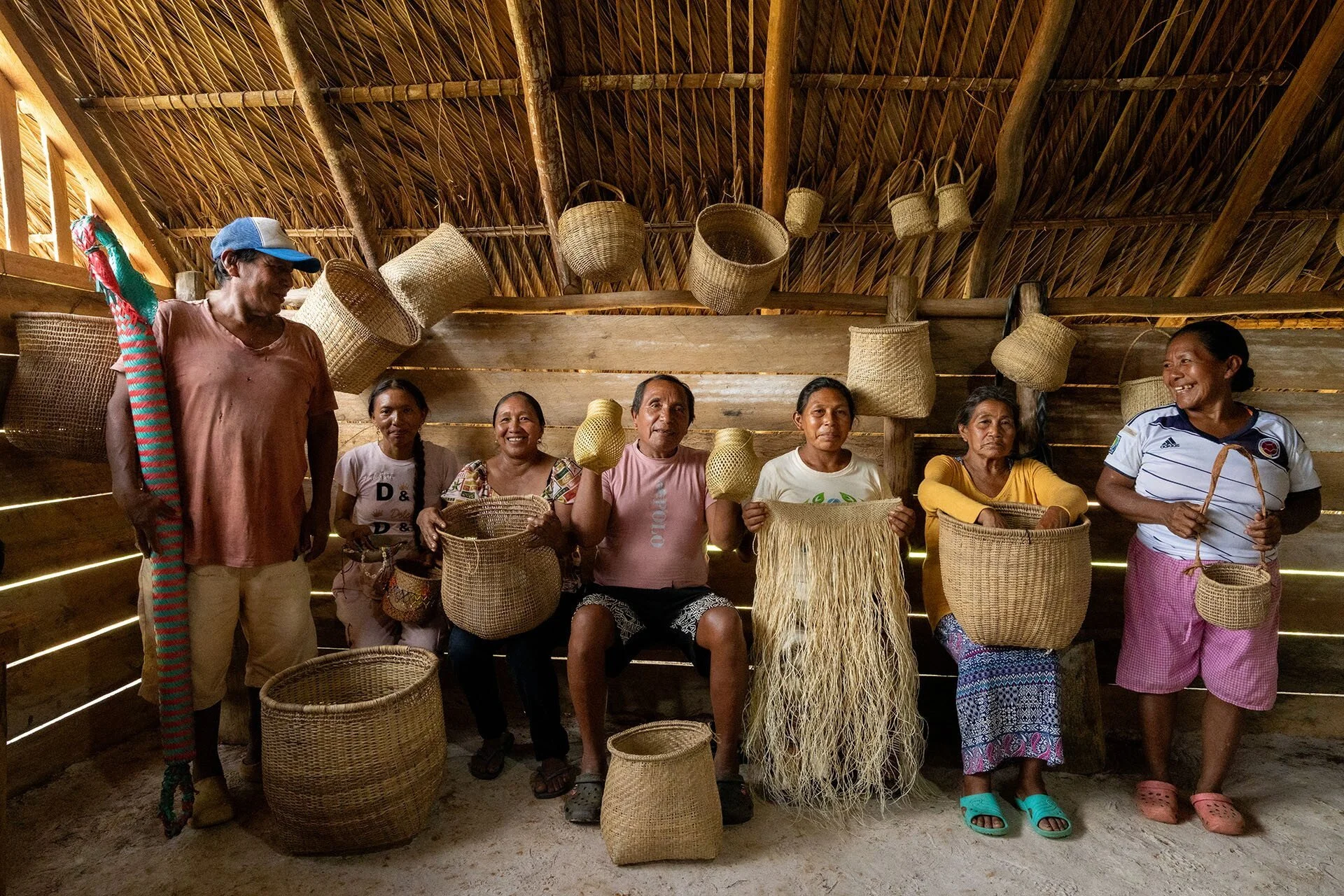
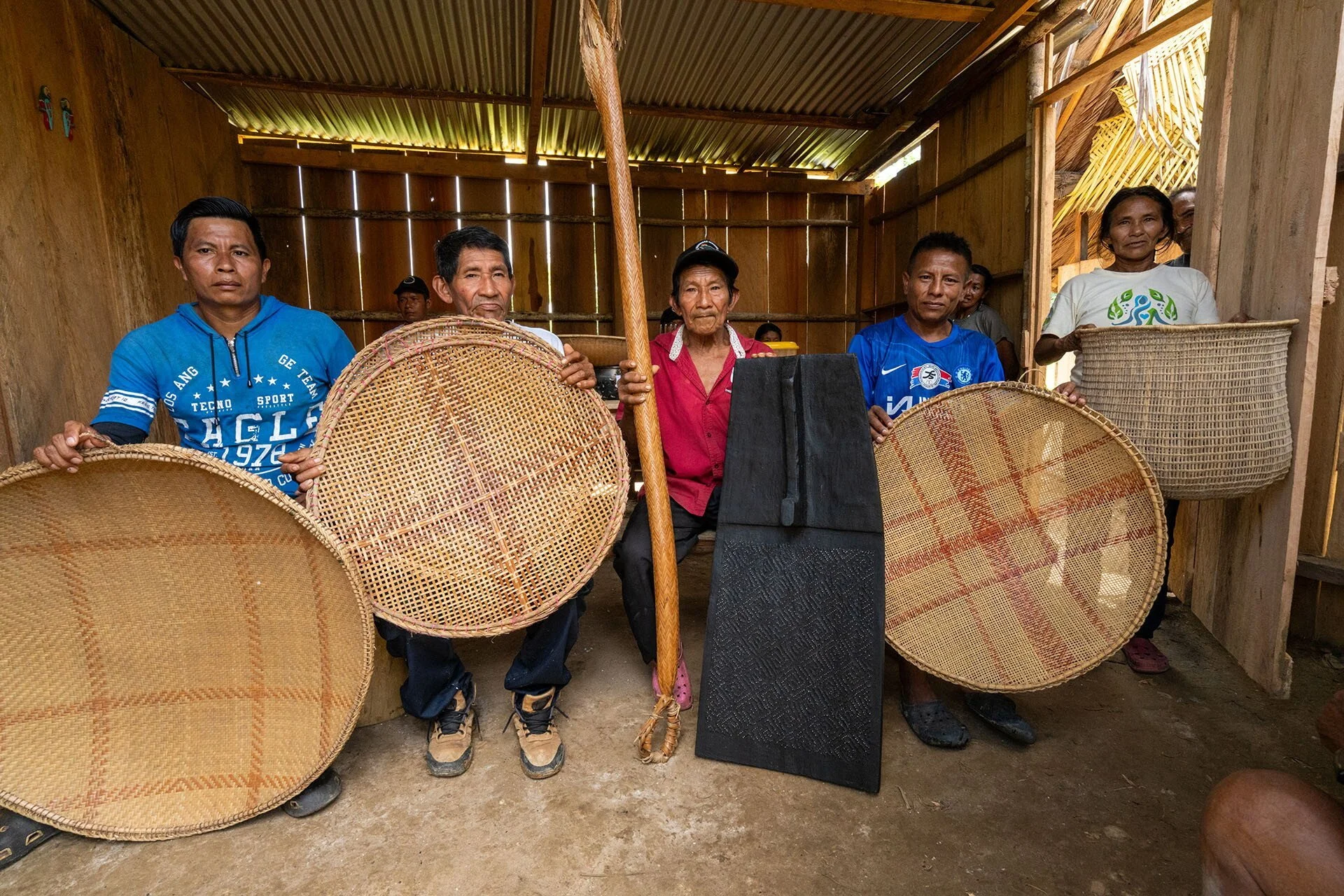
Production of traditional kitchen utensils through community workshops led by local artisans.
Documentation of the community-led construction process of the kitchens and the making of traditional utensils, to promote the recognition and transmission of ancestral knowledge.
Results
Nutrition, life care, and ancestral knowledge were strengthened in five Indigenous communities in Vaupés through the co-design and construction of intercultural community kitchens, serving as safe spaces for women, intergenerational learning, and the preparation of local foods to support children’s nutrition.
The kitchens became women-centered spaces for dialogue, learning, and the transmission of knowledge related to well-being, family care, and traditional food practices.
Women leaders strengthened their administrative and financial skills by directly managing project resources and leading community initiatives.
Educational materials were developed (five videos and one booklet) to support the transmission of ancestral knowledge across communities.
BENEFICIARIES
Direct:
178 Indigenous families.
5 Indigenous communities.
890 community members.
2. Inclusive FoodLab for Deaf and Blind Children
Photographs: Jonatan Bermúdez @filmakero
Partners
Instituto para Niños Ciegos y Sordos del Valle del Cauca
Location
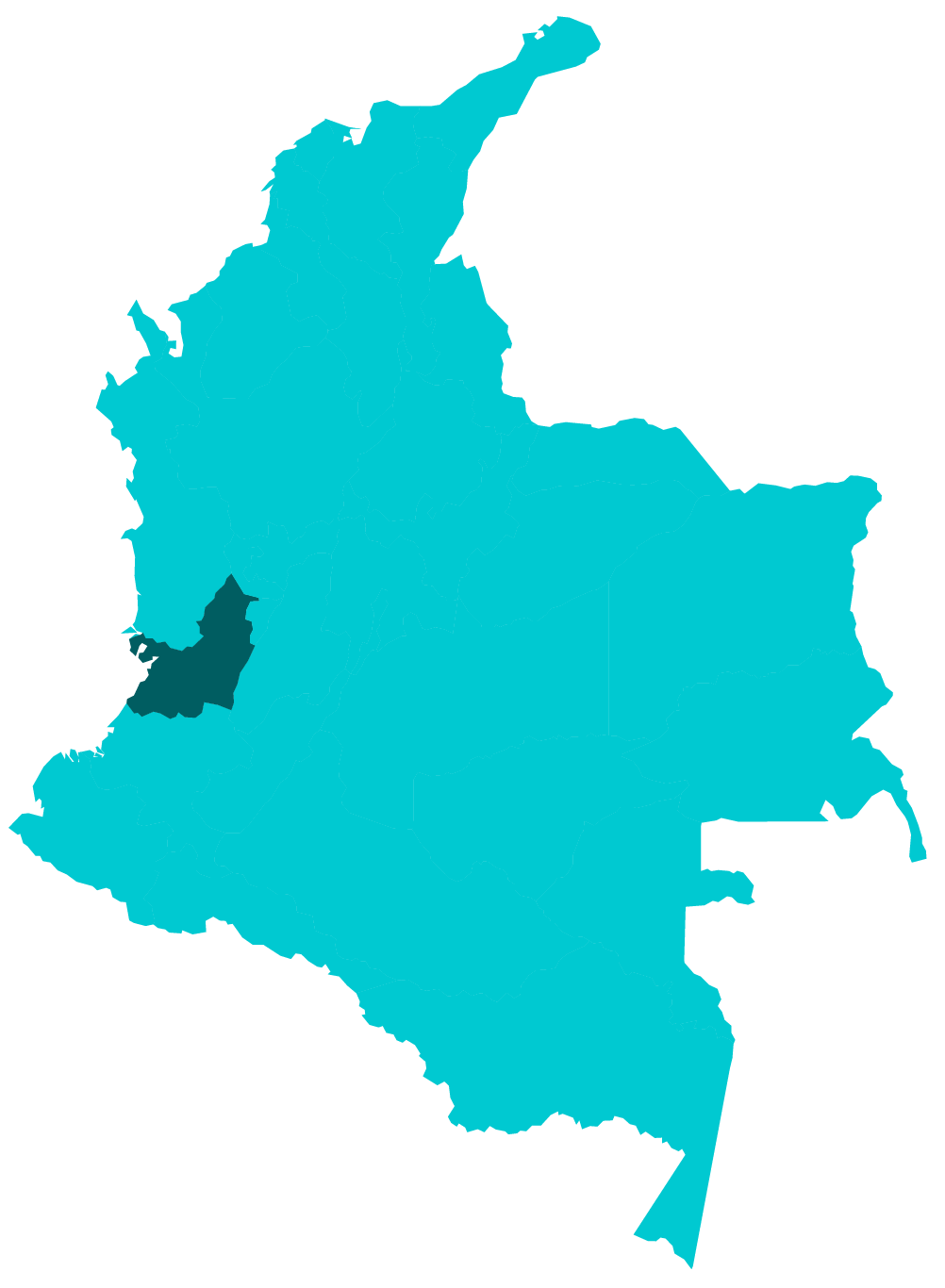
Cali, Valle del Cauca
Objectives
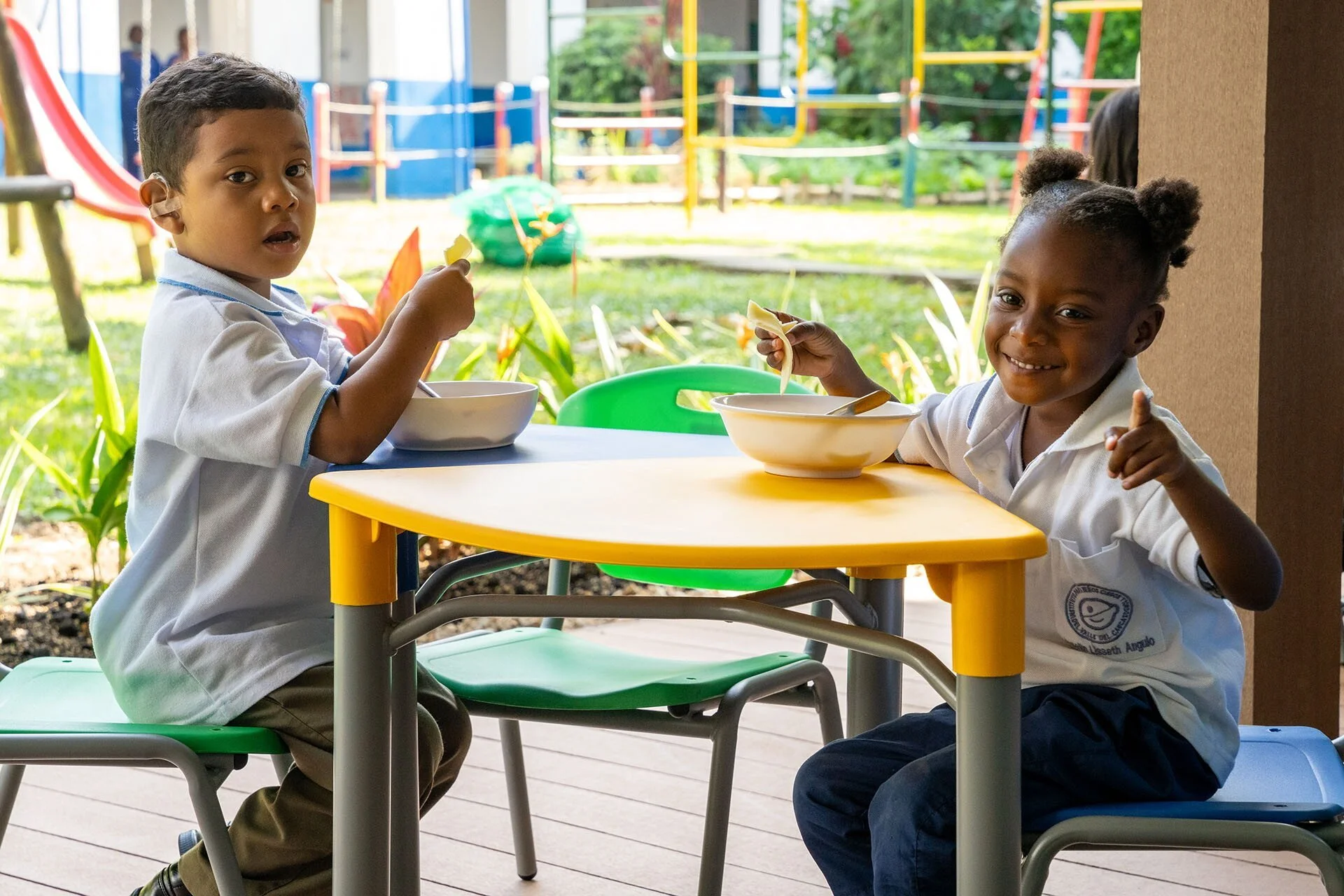
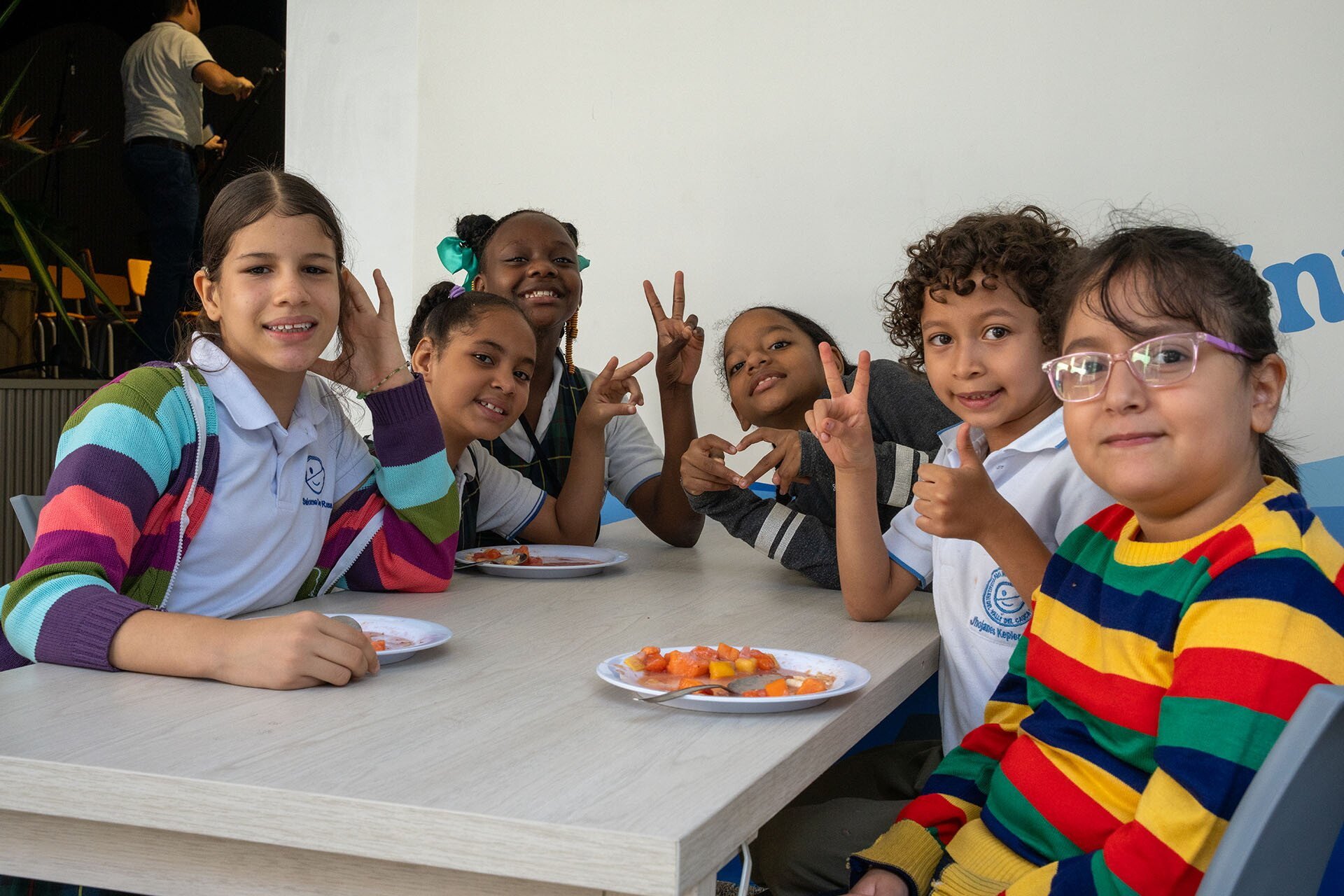
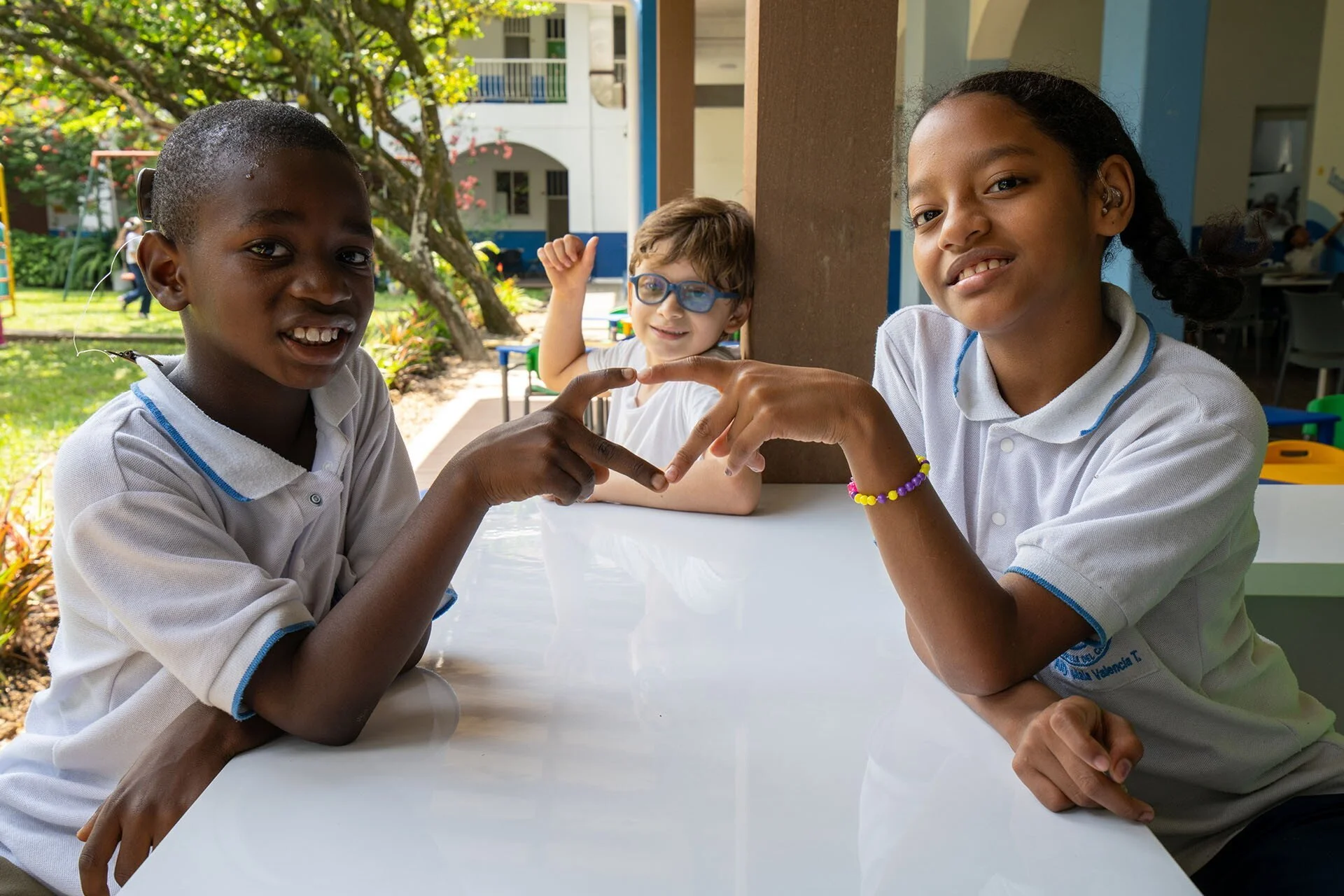
To implement an adapted Food Lab that promotes nutritional education and multisensory learning among blind and deaf children.
Activities
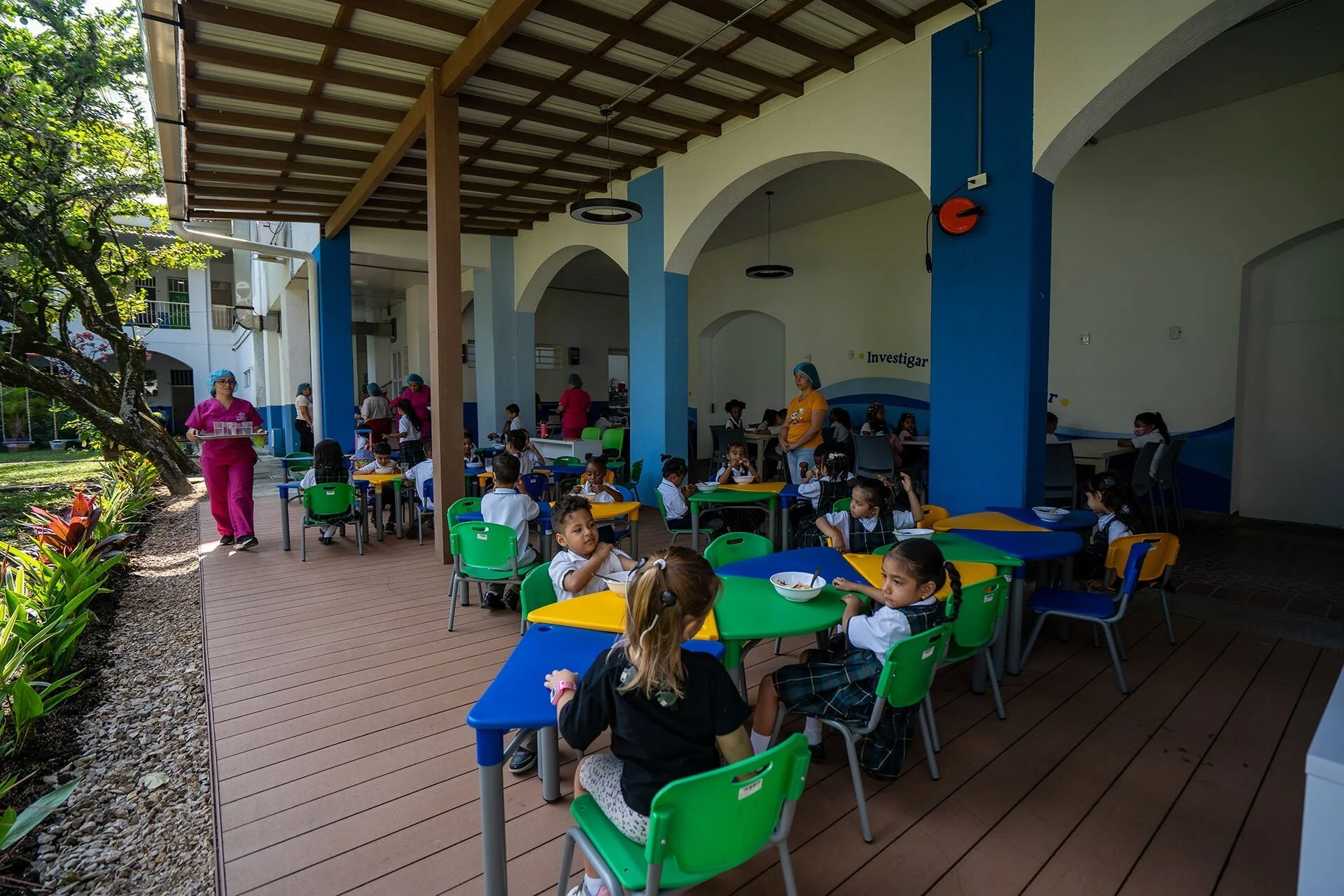
To adapt and equip the Food Lab as a functional and accessible space for boys and girls with visual and hearing impairments, encouraging active participation and healthy eating.
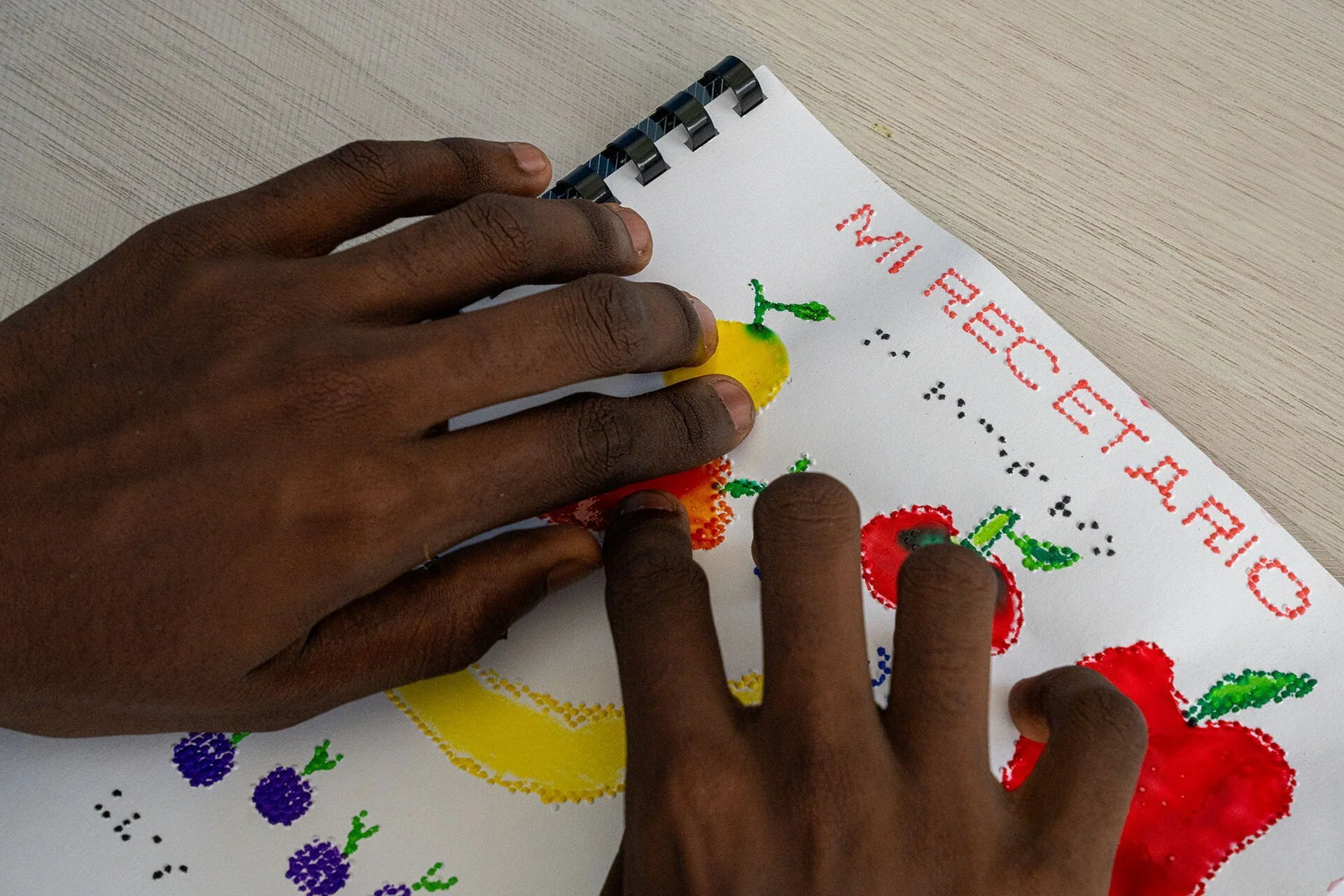
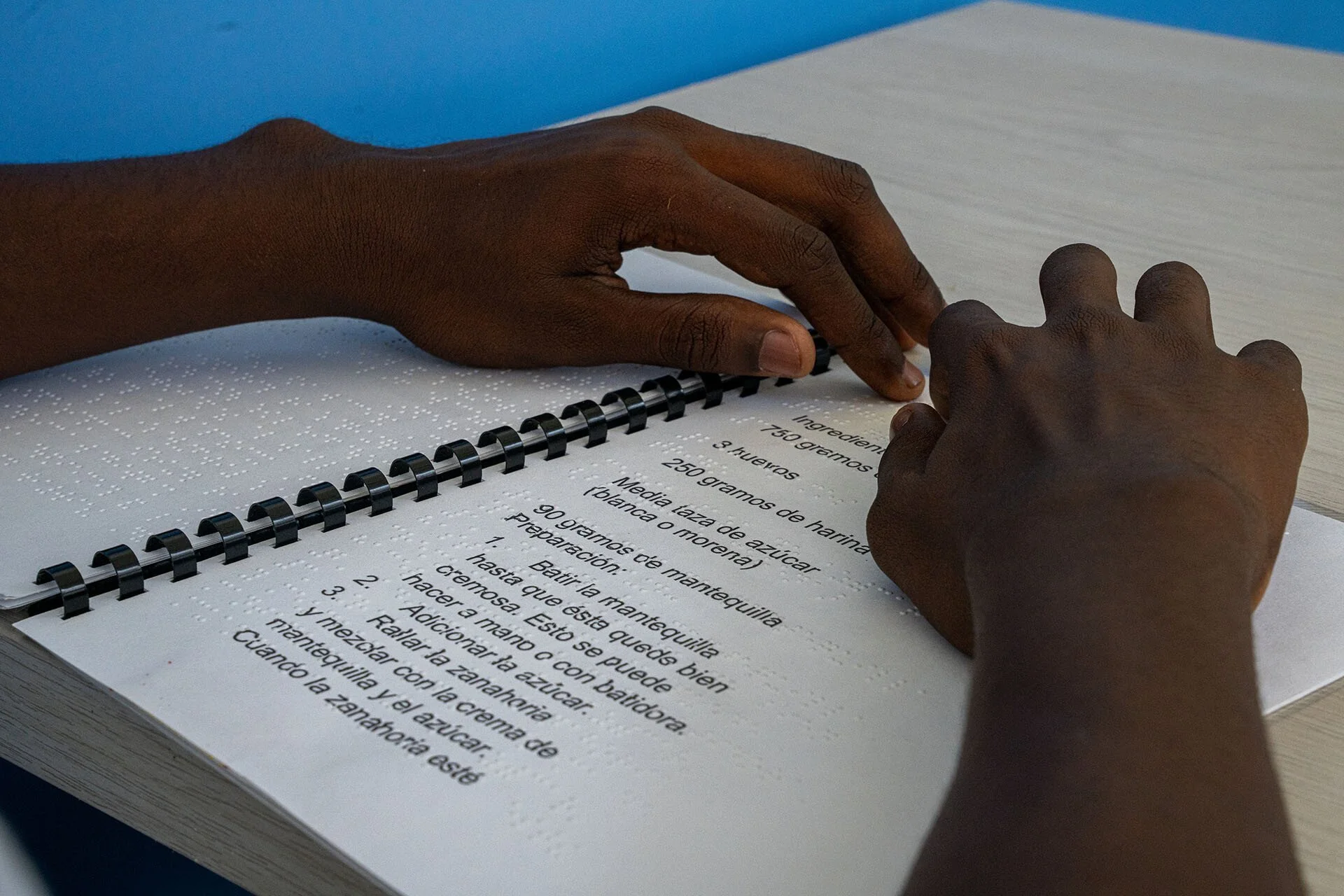
To design and develop multisensory materials and workshops that support children’s nutritional education, food recognition, and recipe preparation.
To design and deliver training workshops for families and caregivers on healthy cooking, nutritious recipes, and inclusive adaptations that enable children to participate in food preparation.
To assess and monitor children’s nutritional status and establish age-appropriate meal plans based on their specific needs.
To provide food and nutritional supplements throughout the children’s habilitation and rehabilitation process.
Results
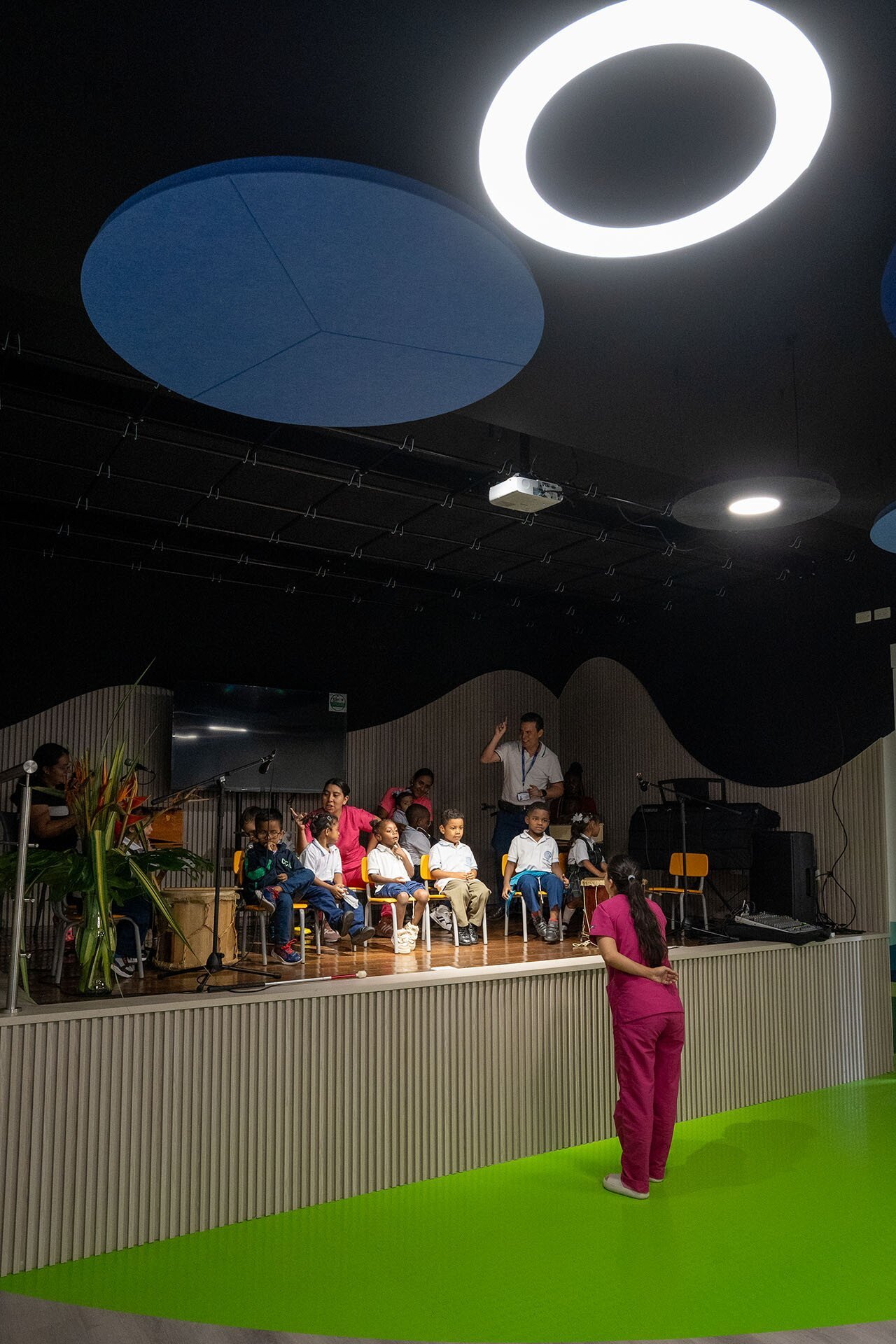
A safe, accessible, and fully equipped Food Lab that enables boys and girls with hearing and visual disabilities to consume healthy foods and participate in educational activities related to gastronomy, nutrition, and health.
A rebuilt and adapted auditorium that allows boys and girls to take part in cultural and artistic activities.
A set of pedagogical tools developed and used for education on healthy eating habits, nutrition, and health. The set includes a recipe book in Braille and with textured materials.
The families of the Institute’s children were trained in healthy habits and easy-to-prepare nutritious recipes.
89% of the children who were experiencing malnutrition at the beginning of the project showed improvements in their nutritional health, positively impacting behavioral and developmental aspects. Of these, 63% overcame malnutrition by the end of the project.
BENEFICIARIES

Direct:
150 children with visual and hearing impairments.
Indirect:
150 families
3. Transforming Learning Environments: La Guajira
Photographs: Jonatan Bermúdez @filmakero
Partners
Fundación Catalina Muñoz
Location
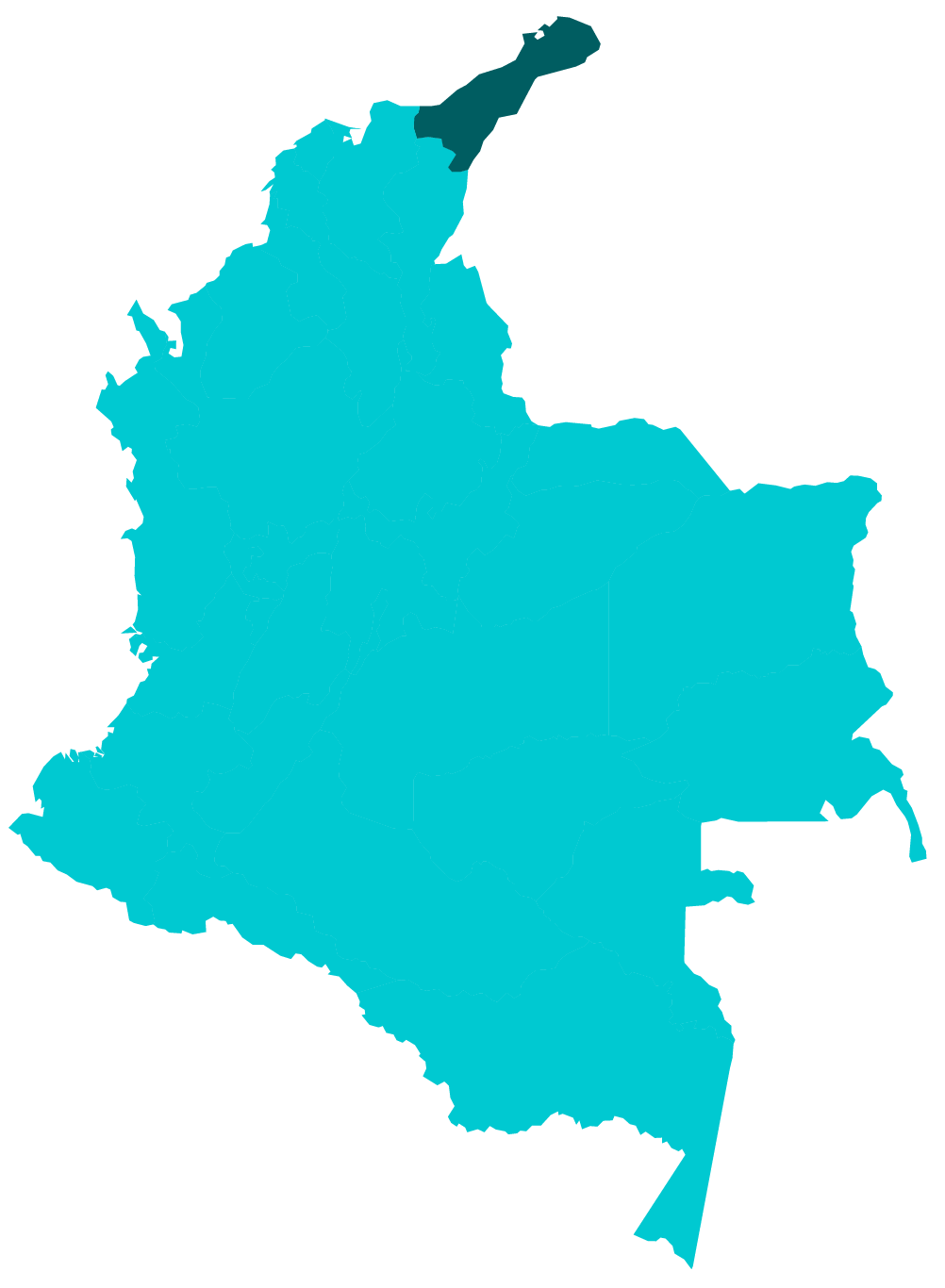
Paraguachón, Maicao, La Guajira.
Objectives
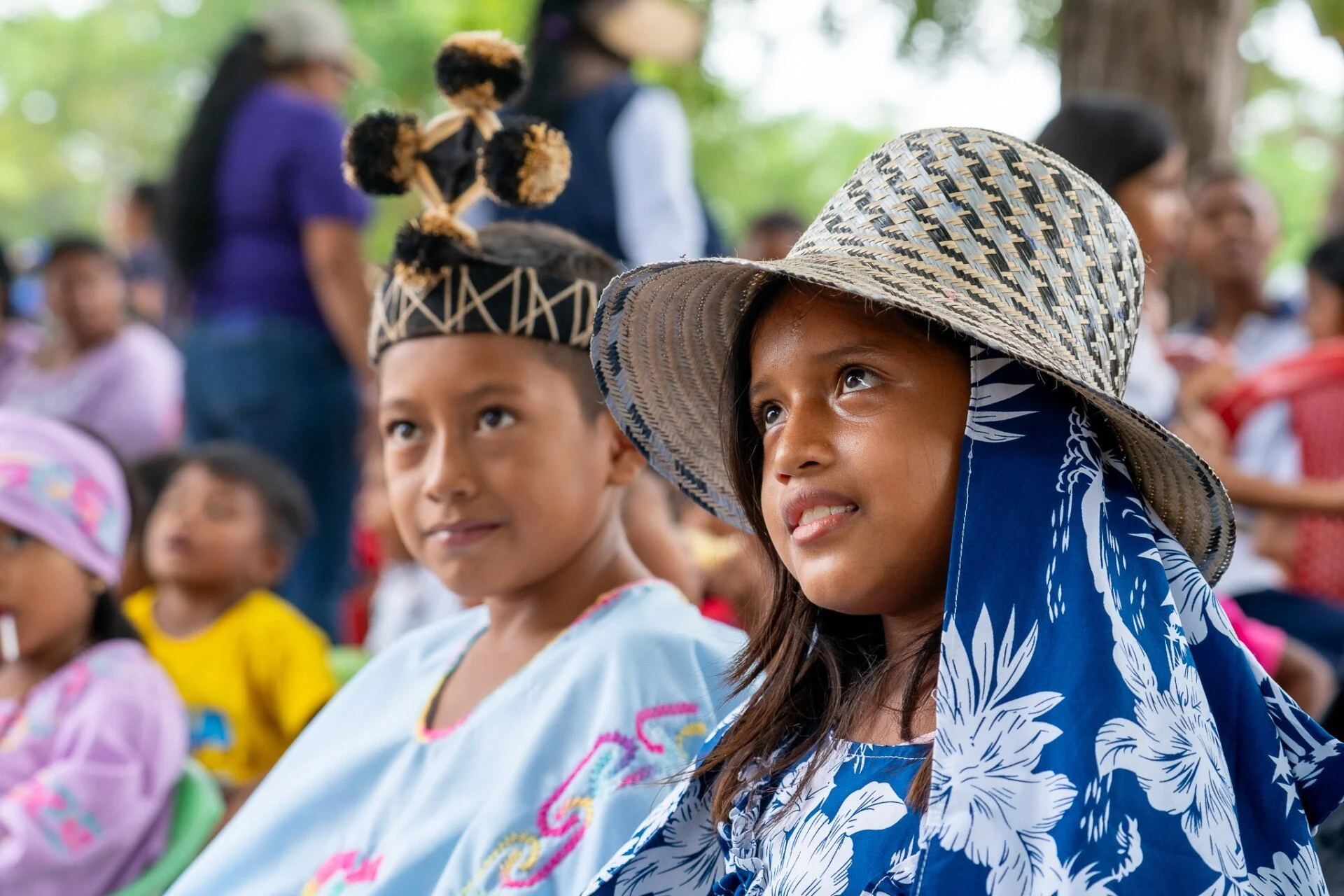
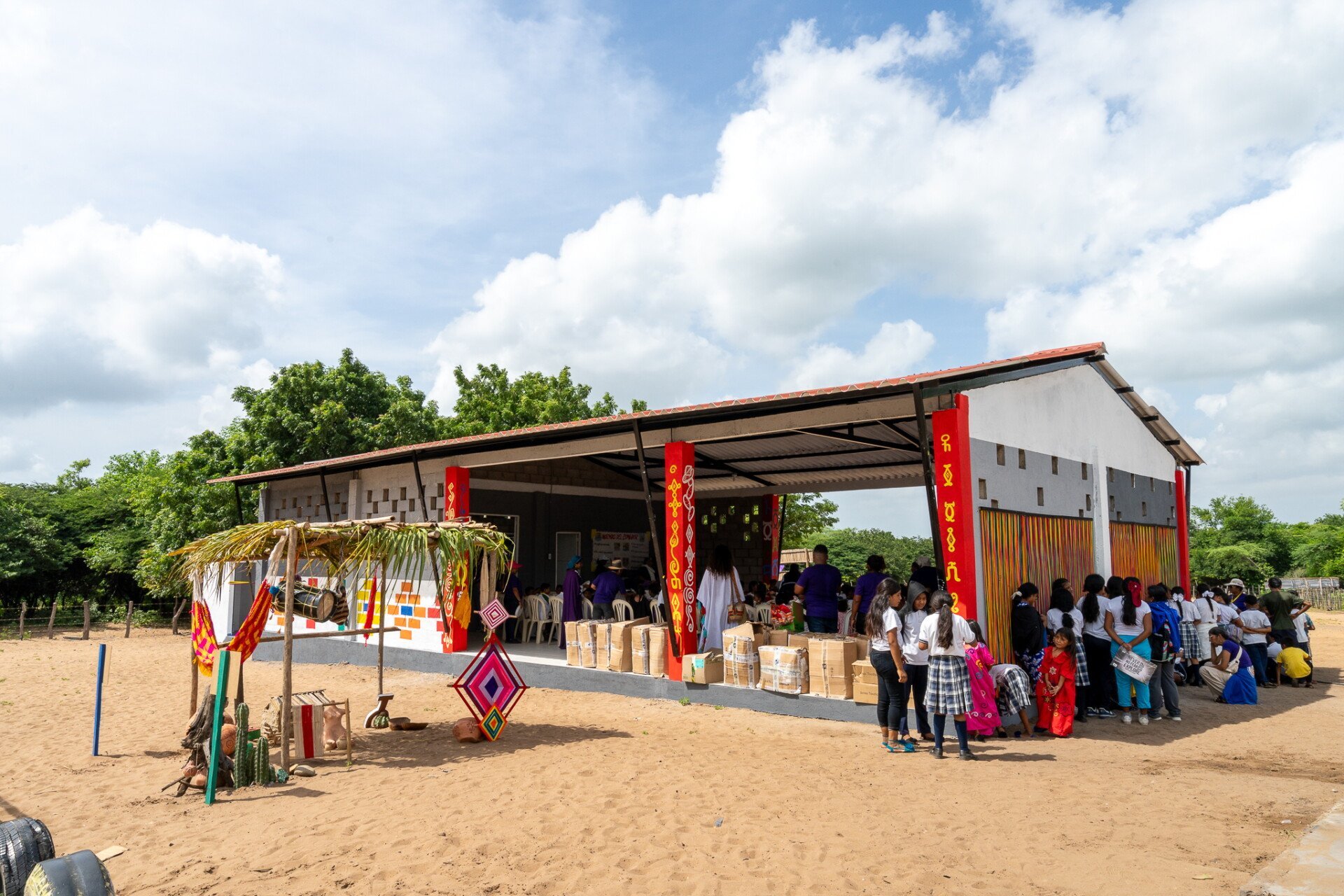
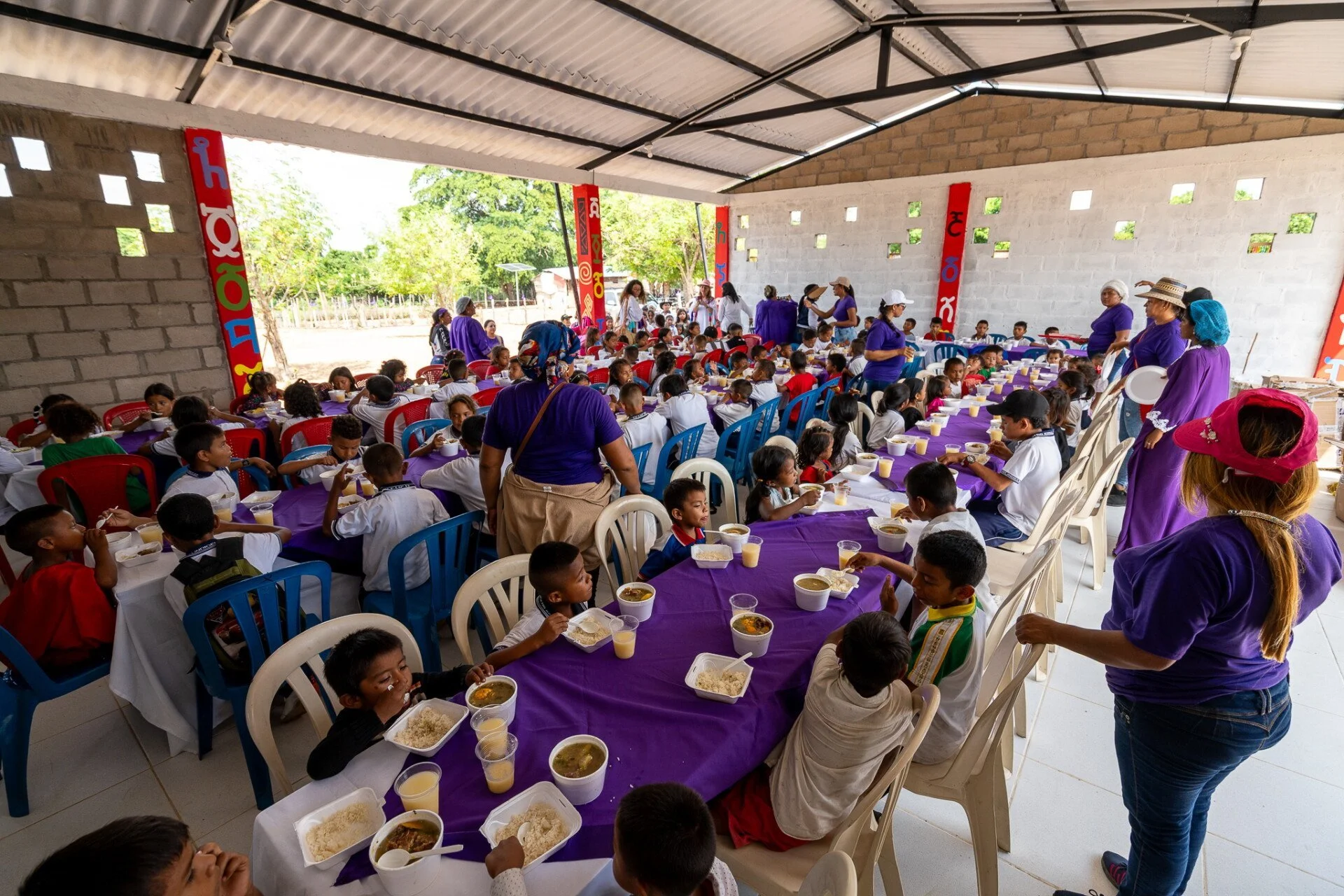
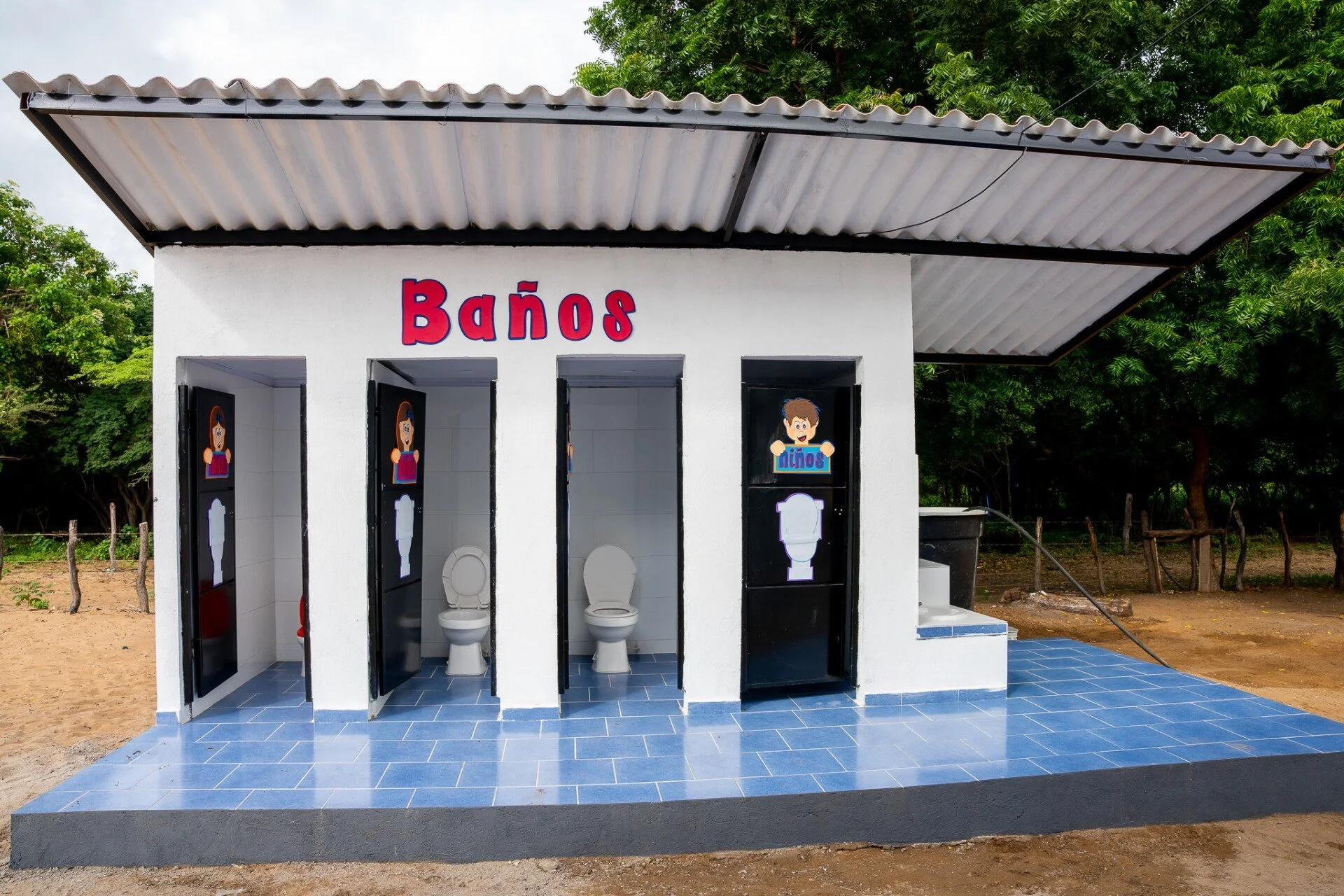
To improve the quality of life of the community at Indigenous Educational Center No. 6, Patajatamana through the construction of a kitchen–dining module and sanitary facilities that support educational quality and community well-being in border areas.
Activities
Construction of a kitchen–dining space and sanitary facilities to support children’s educational activities.
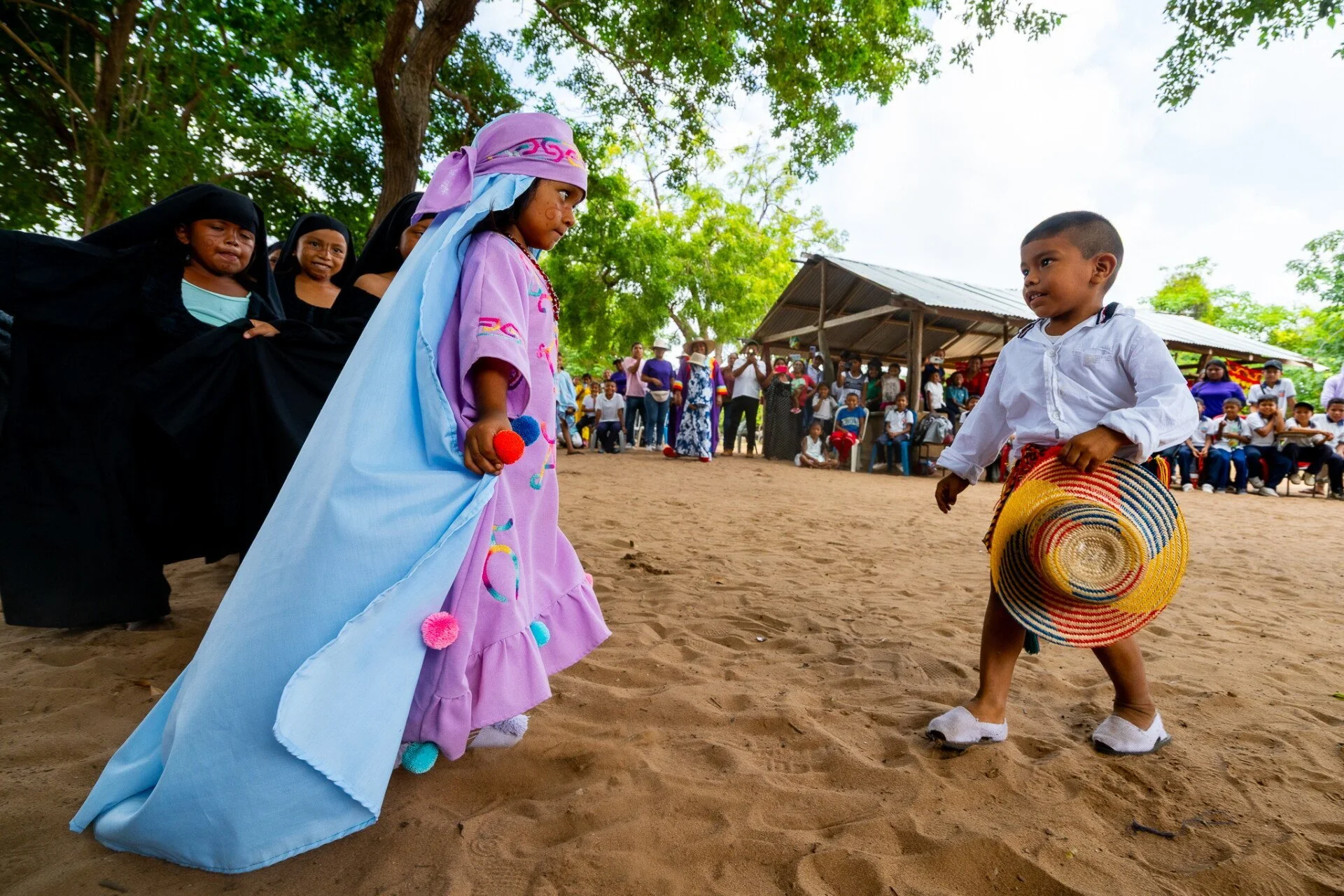
Collaborative workshops with students and the local community to design activities for the new spaces and ensure their proper use and sustainability.
Results
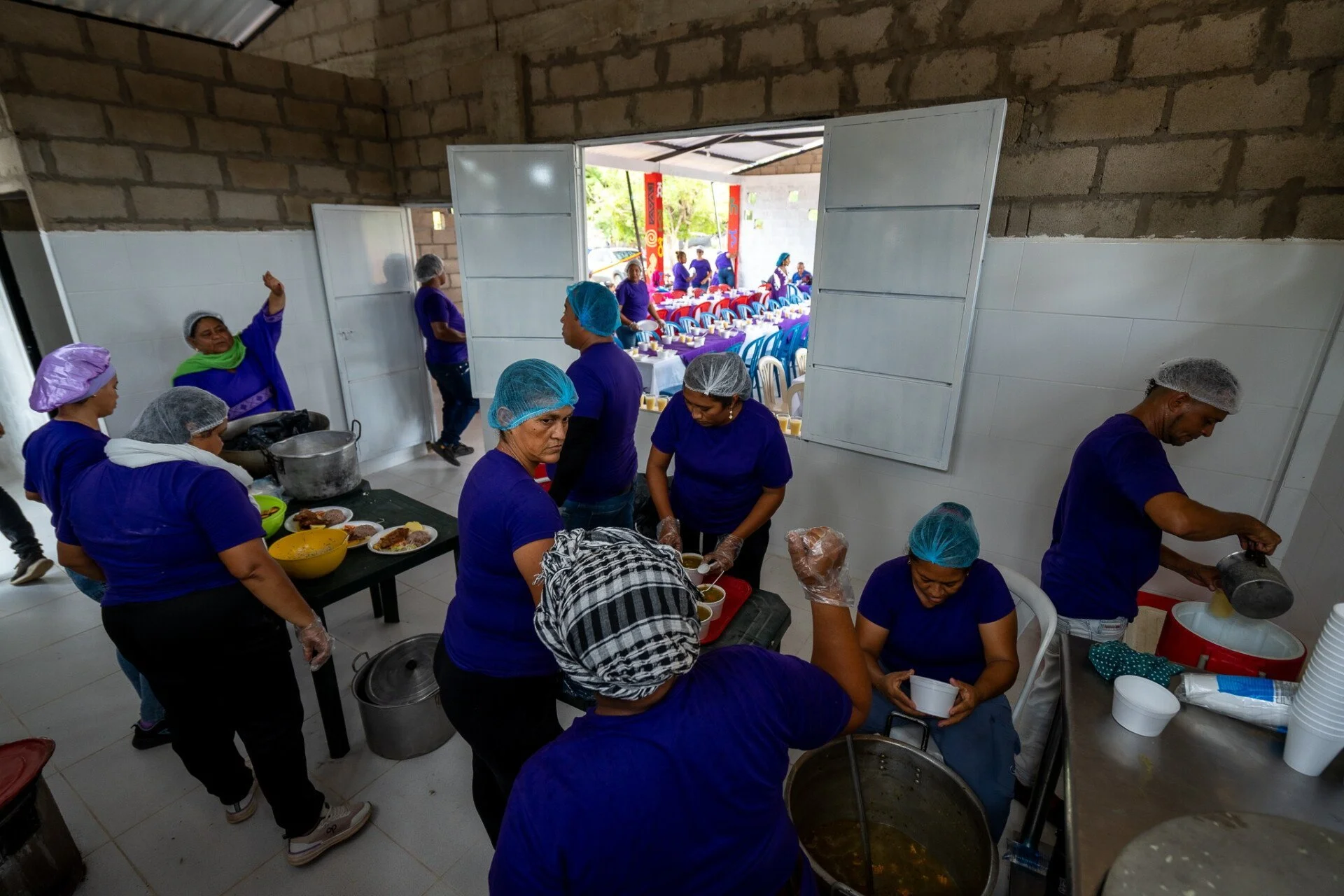
Boys and girls from the Patajatamana community now have a safe space for food preparation and consumption during the school day. This space promotes children’s protection, health, and dignity, and enables the educational institution to meet the requirements of non-governmental organizations to receive food contributions that help ensure their food security.
The Patajatamana community has a space for collective activities focused on training, recreation, and community strengthening.
Sanitary facilities were constructed, ensuring that boys and girls have access to basic hygiene and sanitation conditions.
BENEFICIARIES
Direct:
277 boys and girls.
Indirect:
1348 community members.
4. Connecting Water, Connecting Lives
Photographs: Jonatan Bermúdez @filmakero
Partners
Fundación Puntos de Encuentro - ASOROA
Location
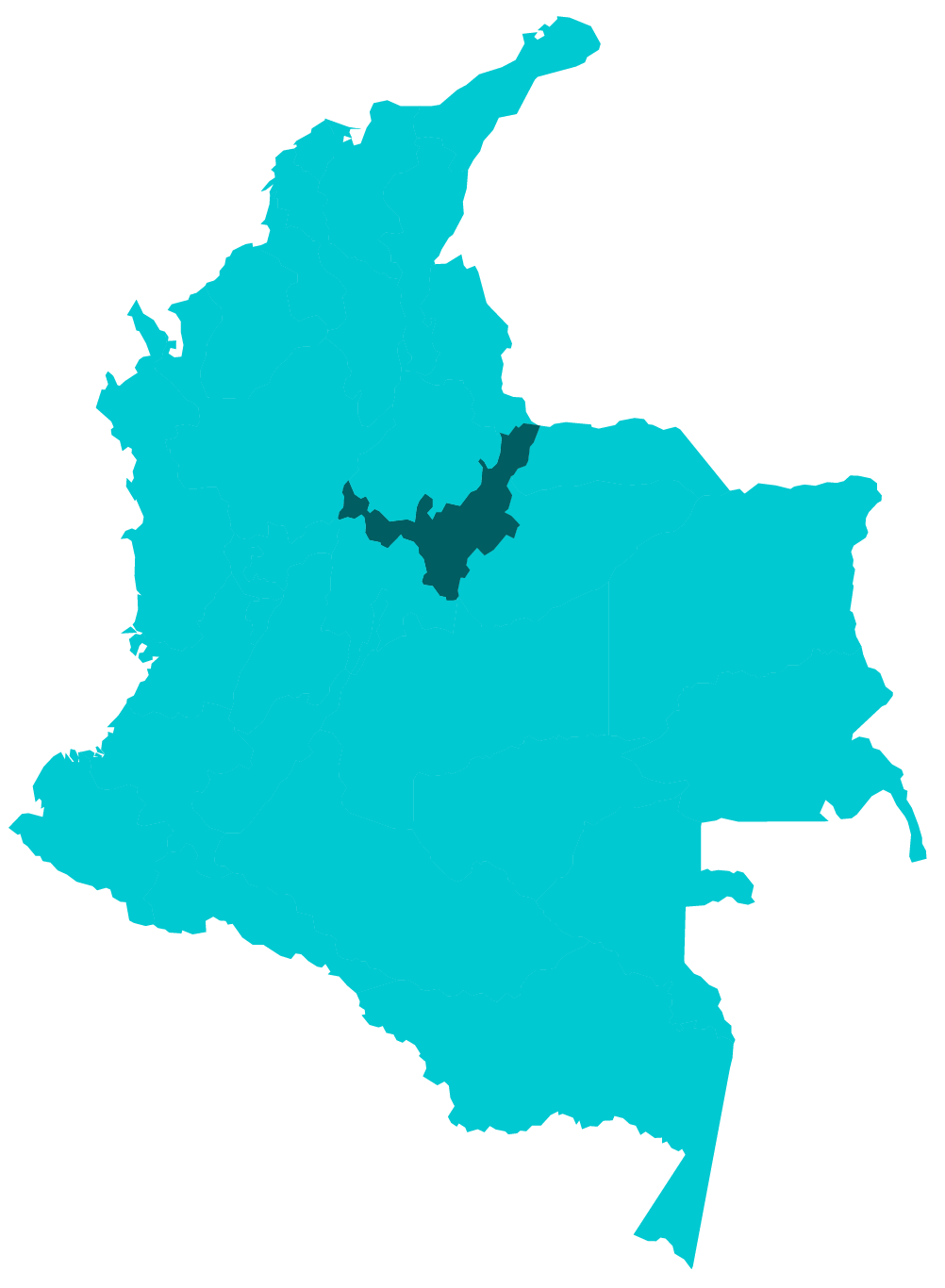
Vereda Roa, municipio de Sutamarchán Boyacá
Objectives
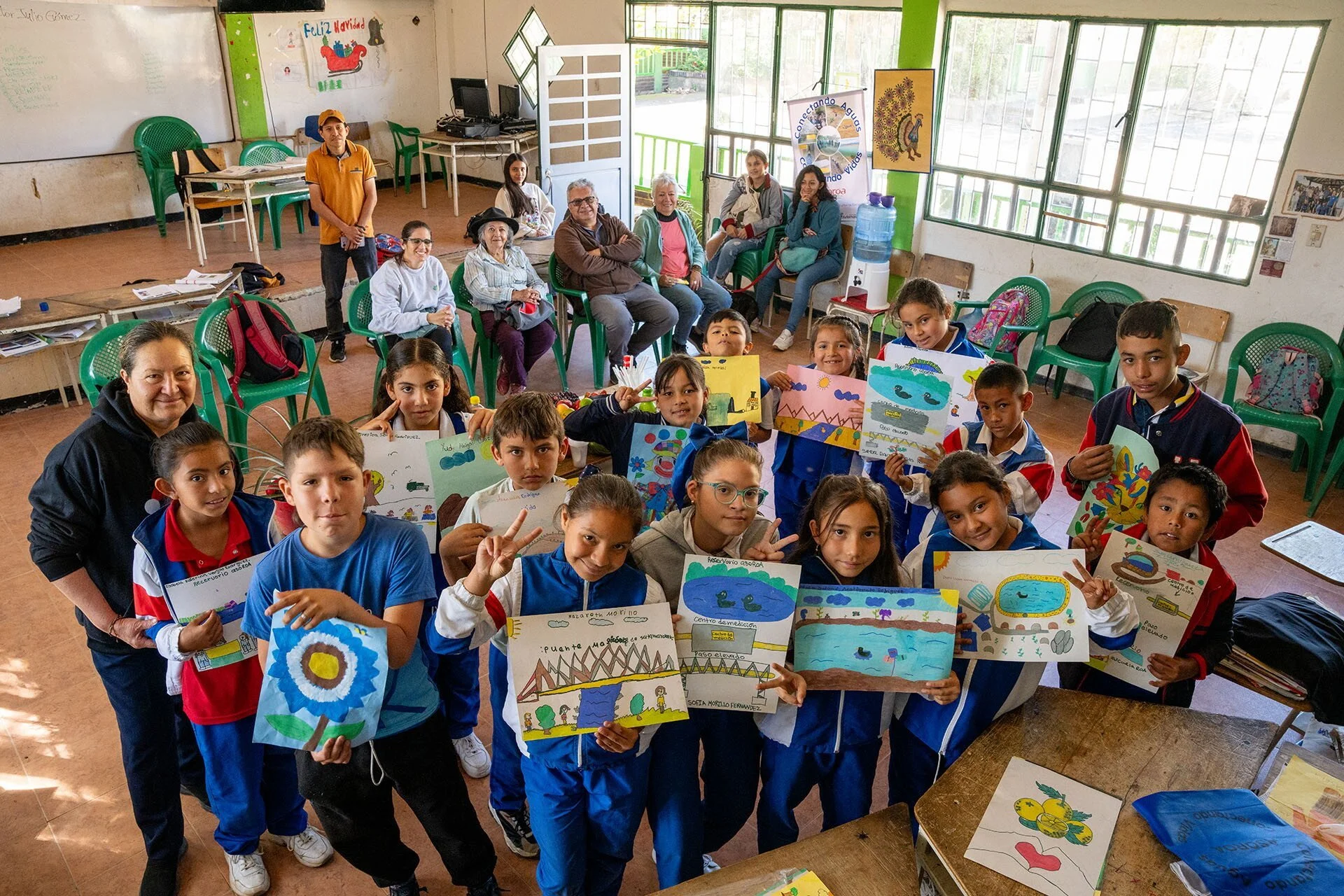
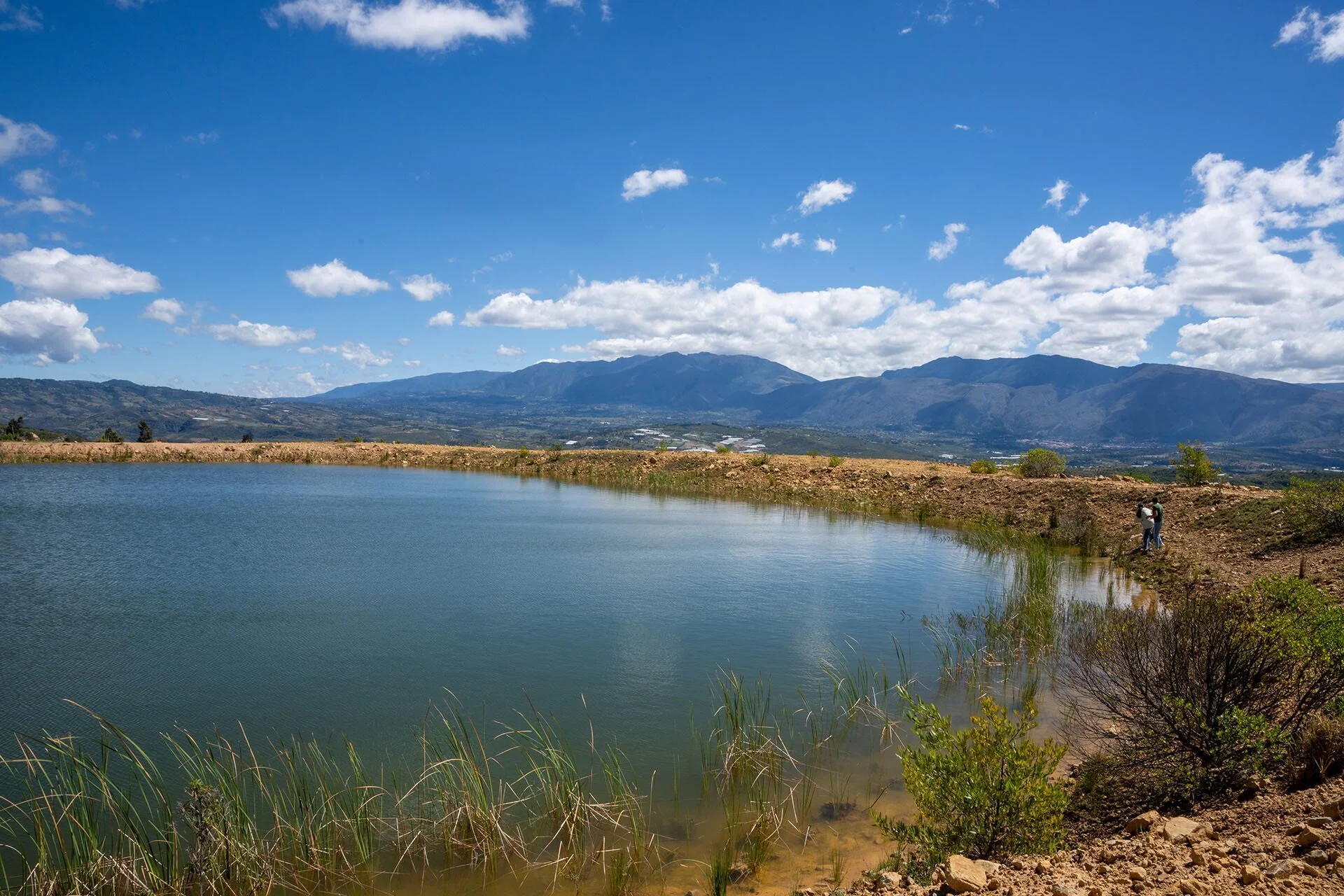
Enhancing agricultural productivity, health, and quality of life for farmers in the Roa hamlet through direct and efficient access to water.
Activities
Installation of the necessary connections to deliver water from the main distribution network to farmers’ plots in the Roa hamlet.
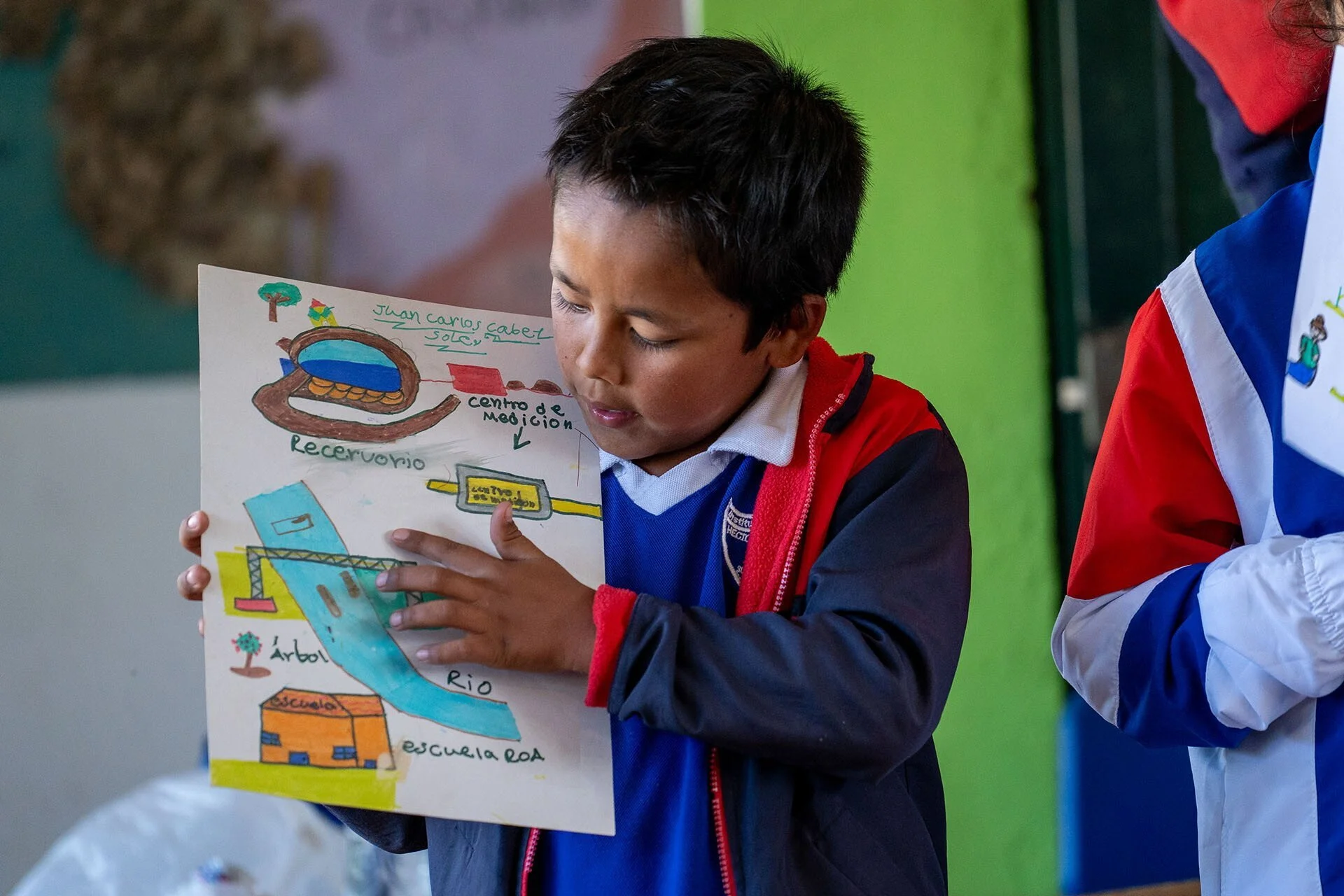
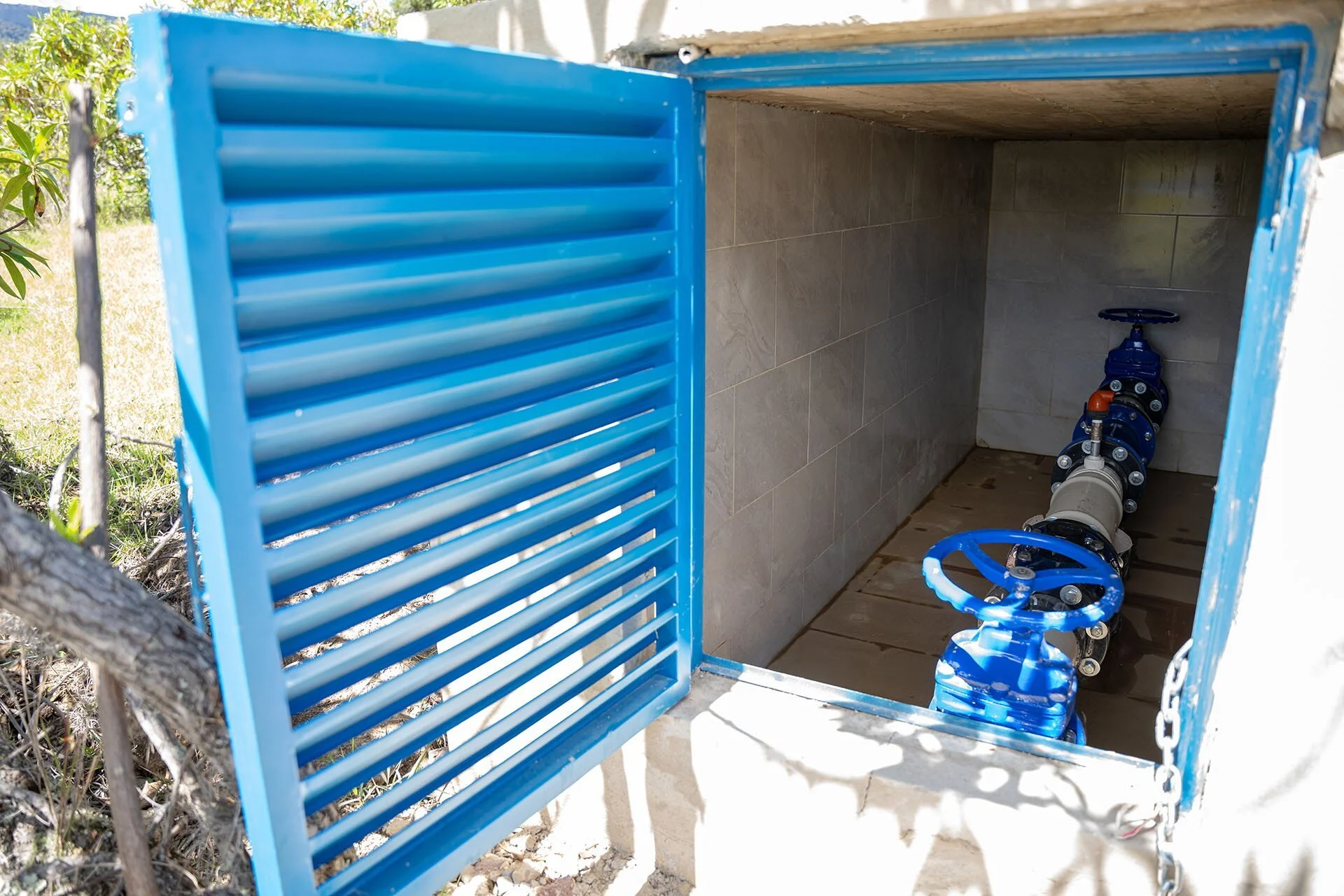
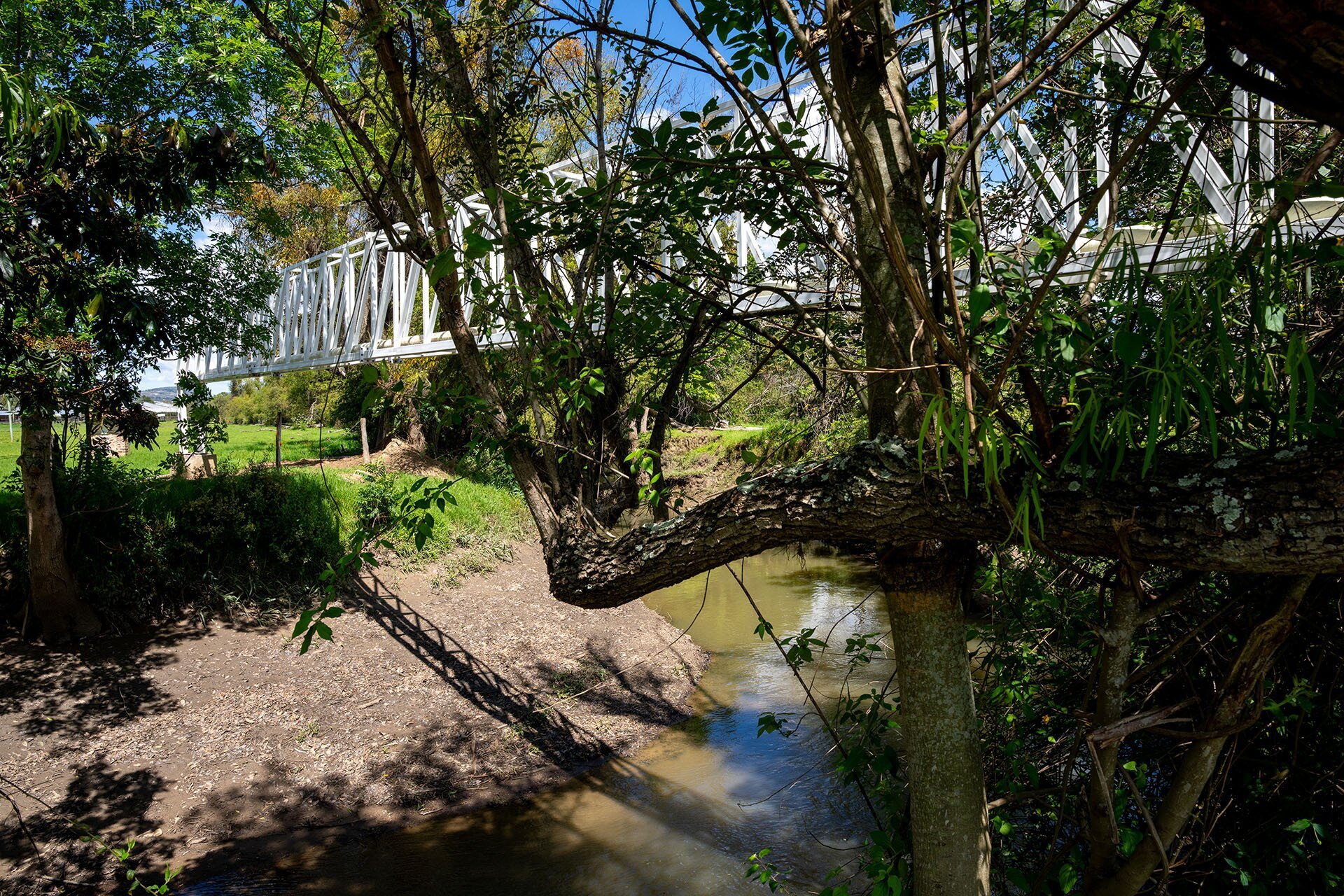
Construction and installation of hydraulic infrastructure, including a water metering center, an elevated crossing, and a break-pressure chamber, to ensure the safe flow of water to farmers’ land.
Tree-planting activities and awareness-raising workshops on the care and protection of water resources, involving the broader community, including children from local educational institutions.
Results
91 families in the Roa hamlet now have permanent access to clean water for irrigating their crops, leading to increased production and improved product quality.
With reliable access to water, the Roa community has begun a reforestation process that strengthens agricultural practices, environmental sustainability, and the health of local residents.
The preparation and installation of the water infrastructure were carried out collaboratively by beneficiary families, strengthening their organization as a community association, reinforcing social ties, and promoting collective action for the common good.
BENEFICIARIES

Direct:
91 families.
370 people.
5. Piaroa Weaving School
Partners
Fundación Organizmo, Etnollanos, Asociación Matavén Deiyú
Location
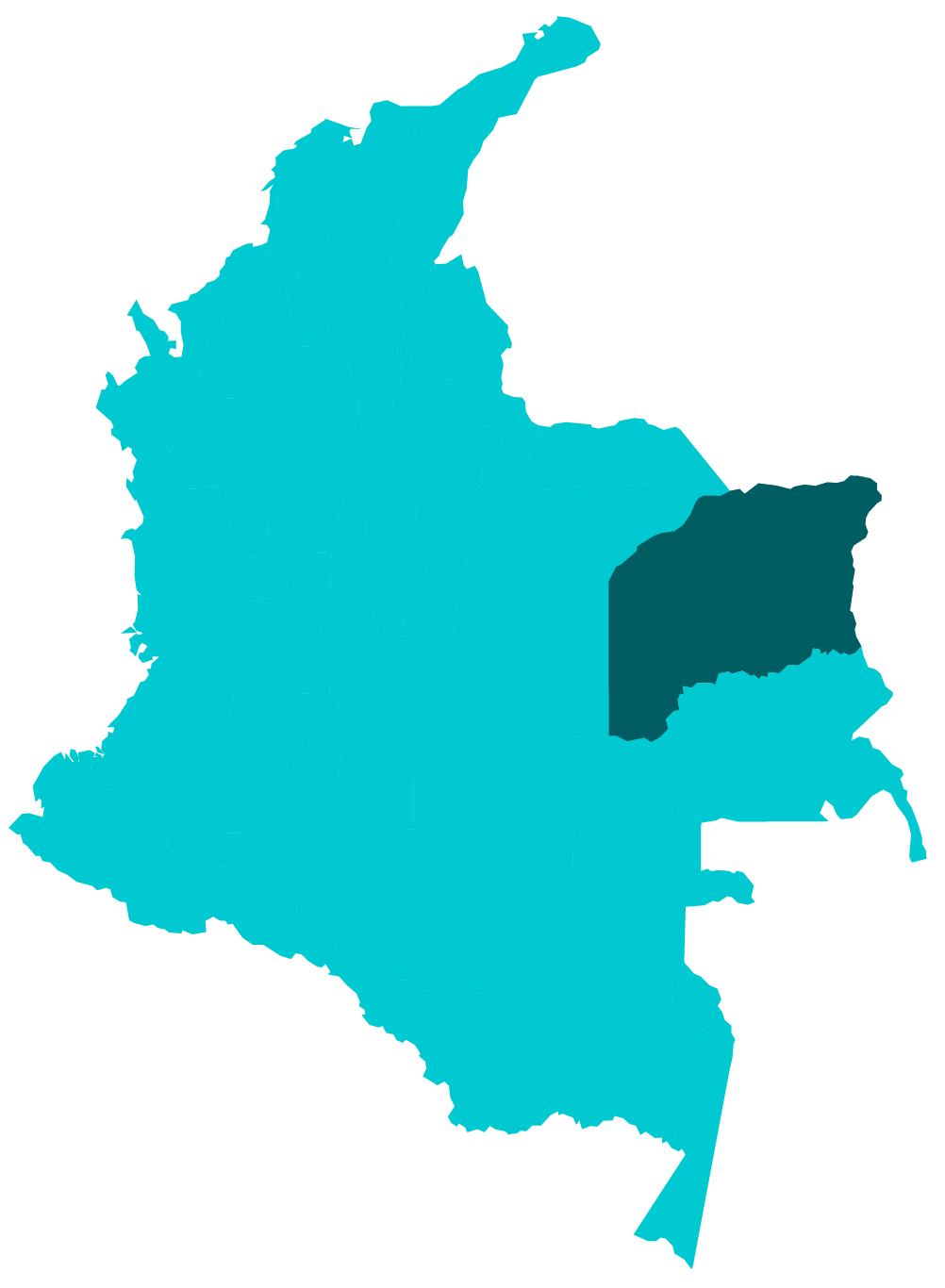
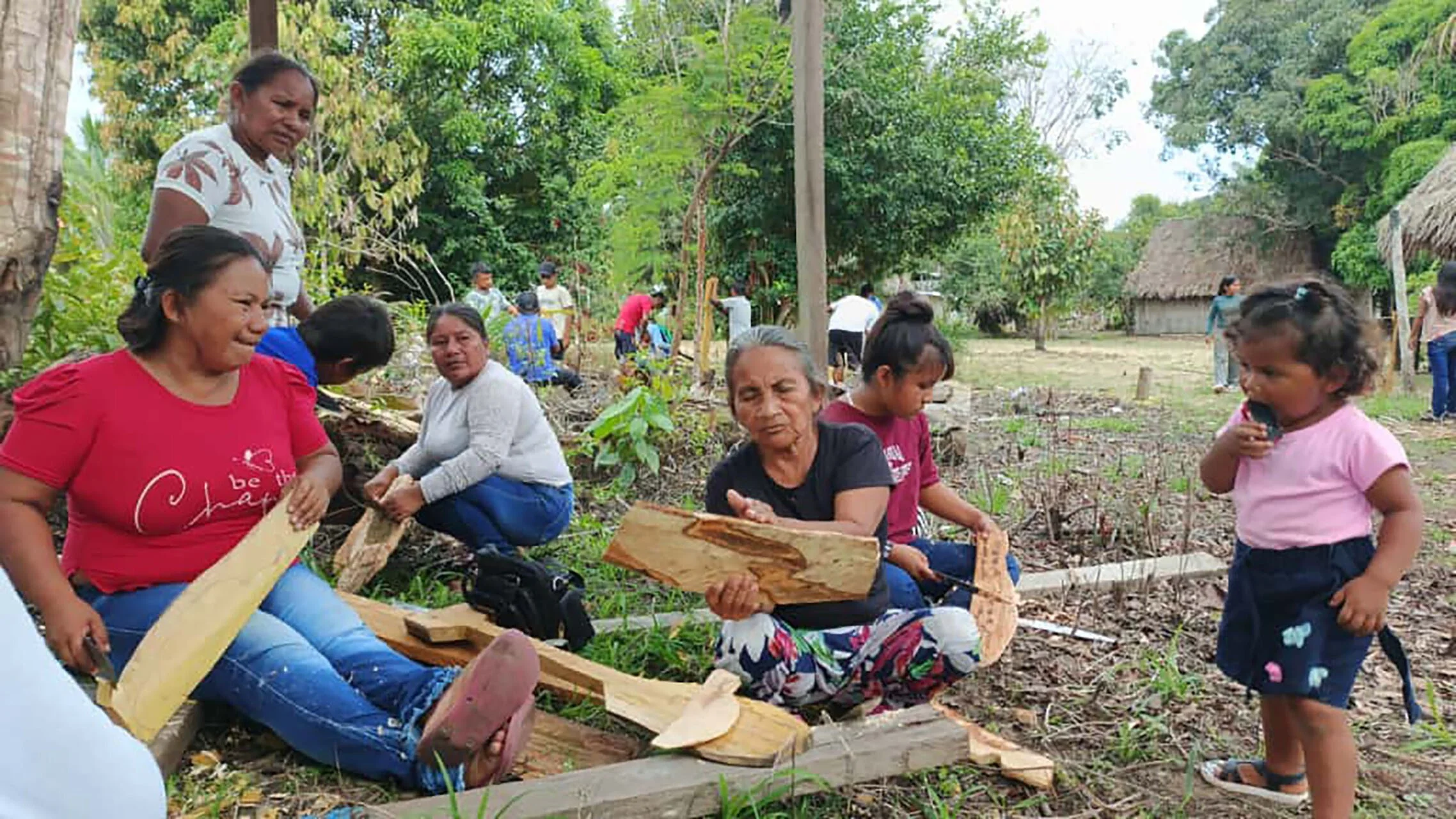
La Urbana y Pueblo Nuevo Communities- Selvas de Matavén- Vichada
Objectives
Improve the quality of life of Indigenous communities in the Matavén Reserve by supporting the care of their land through education and environmental restoration.
Activities
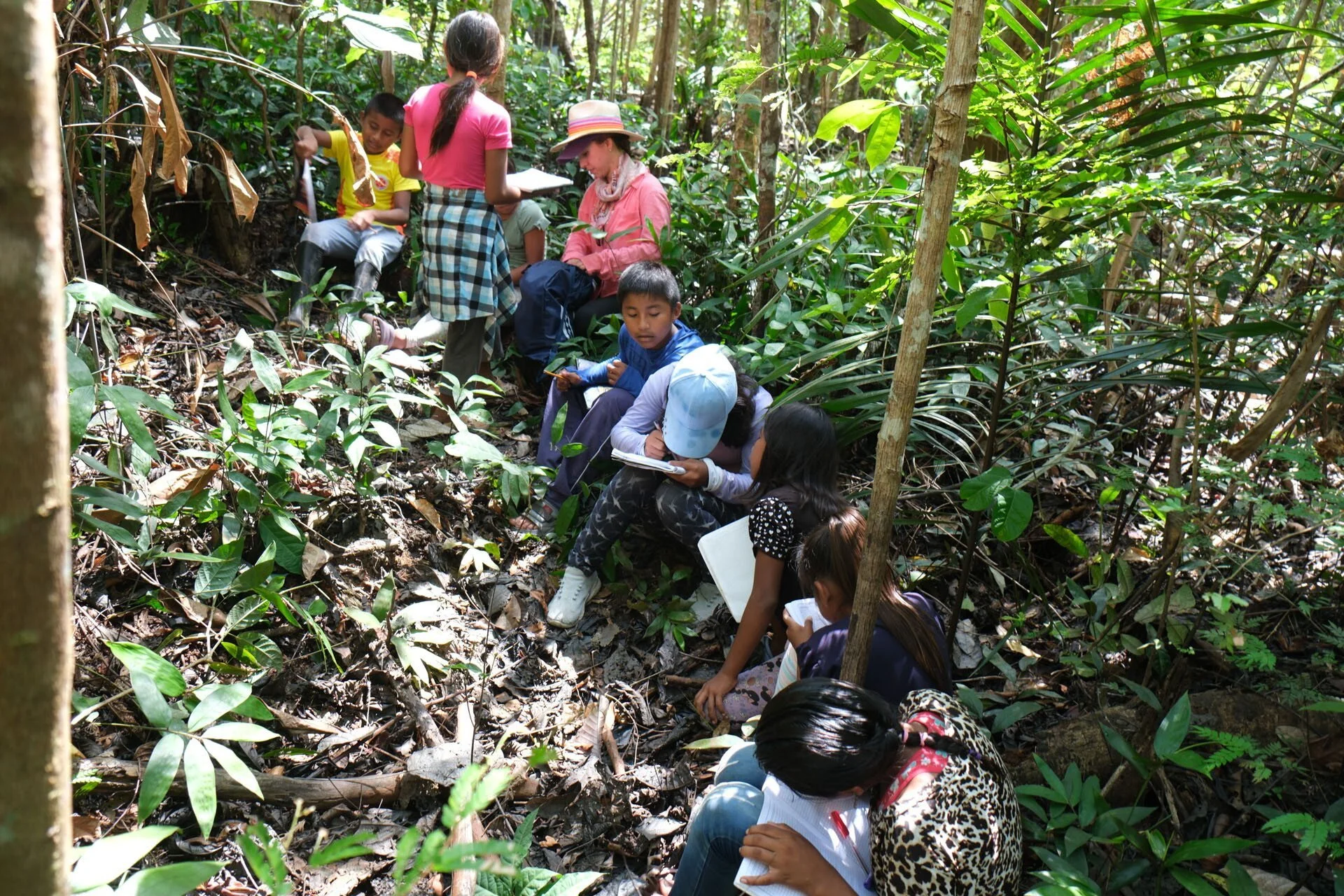
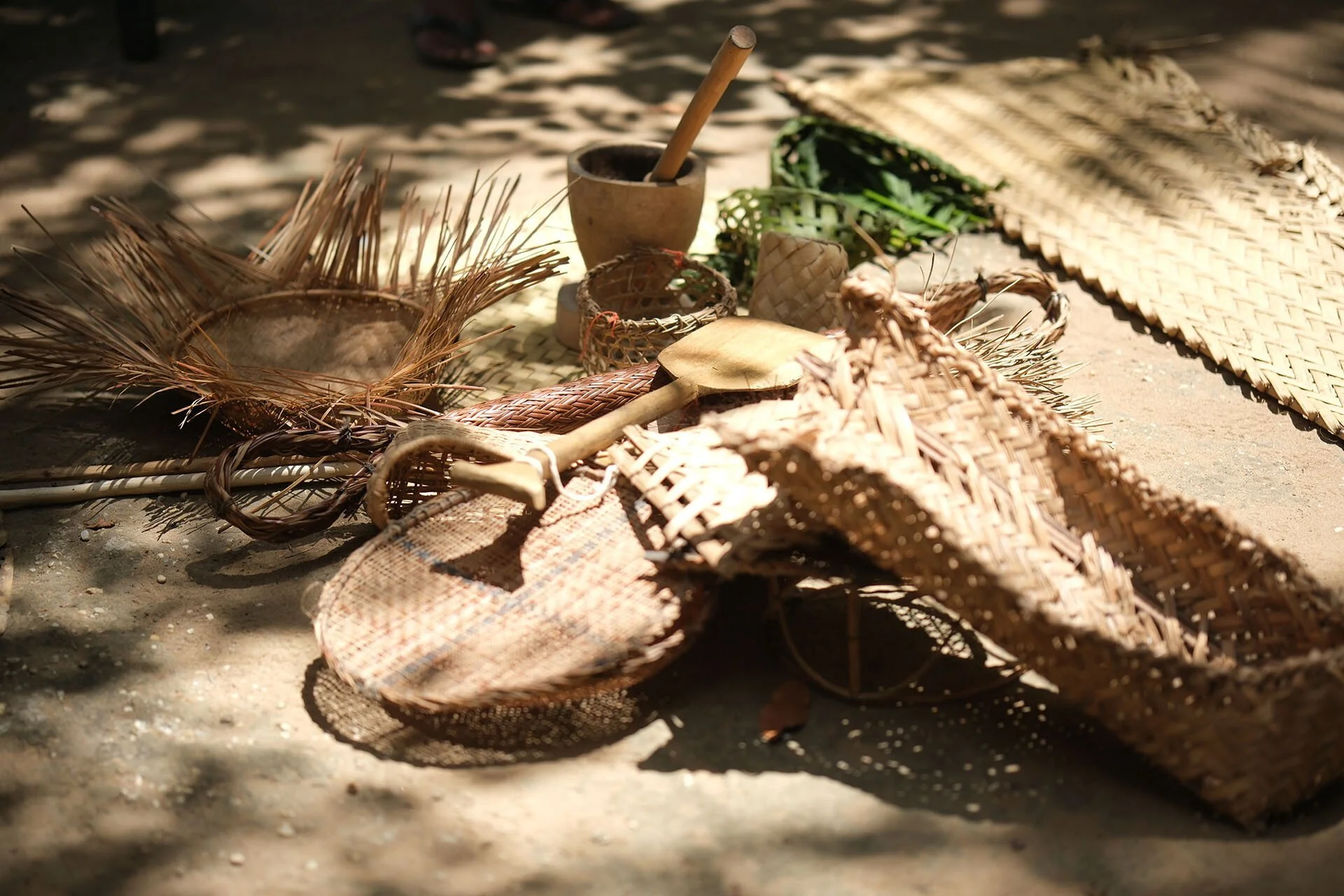
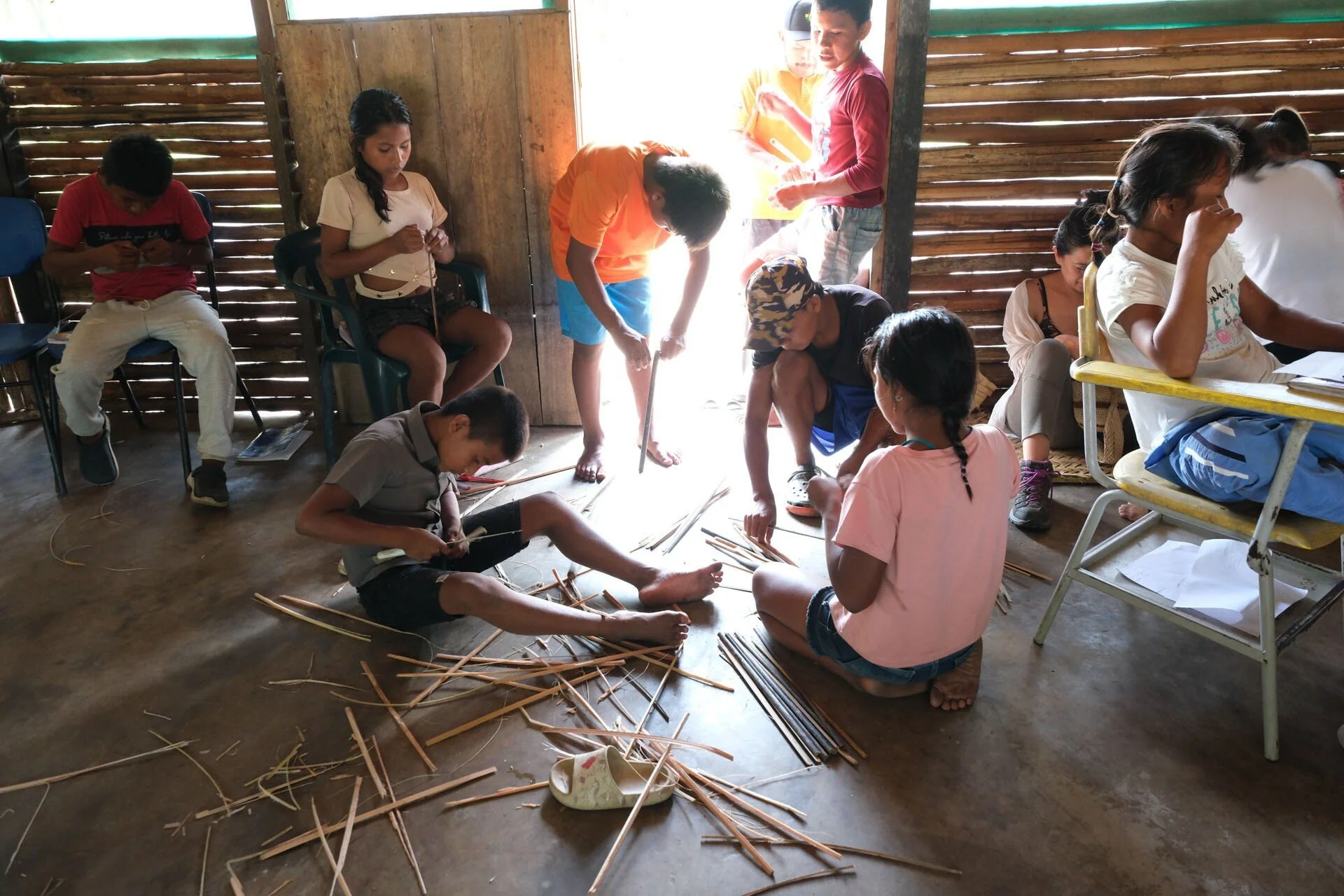
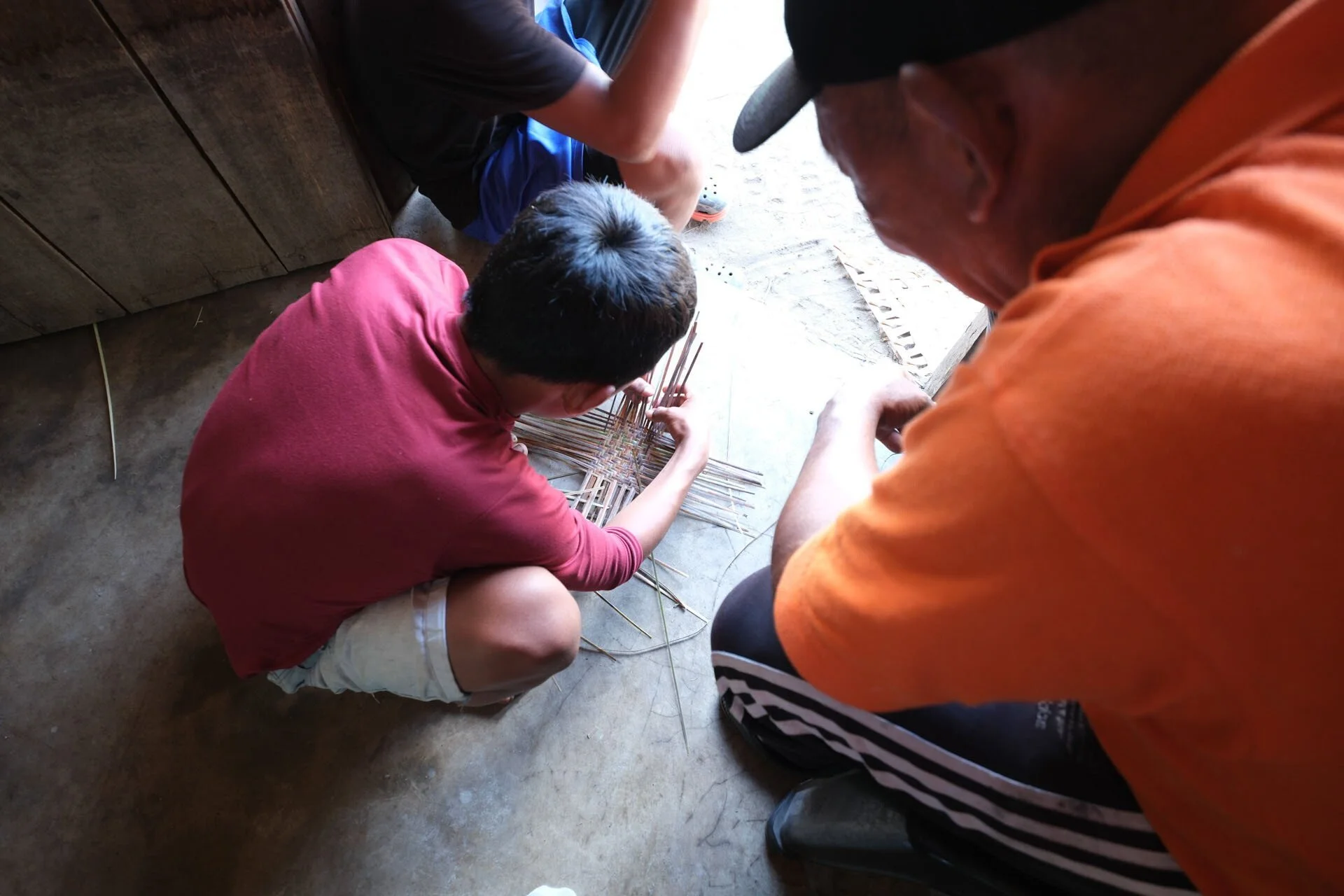
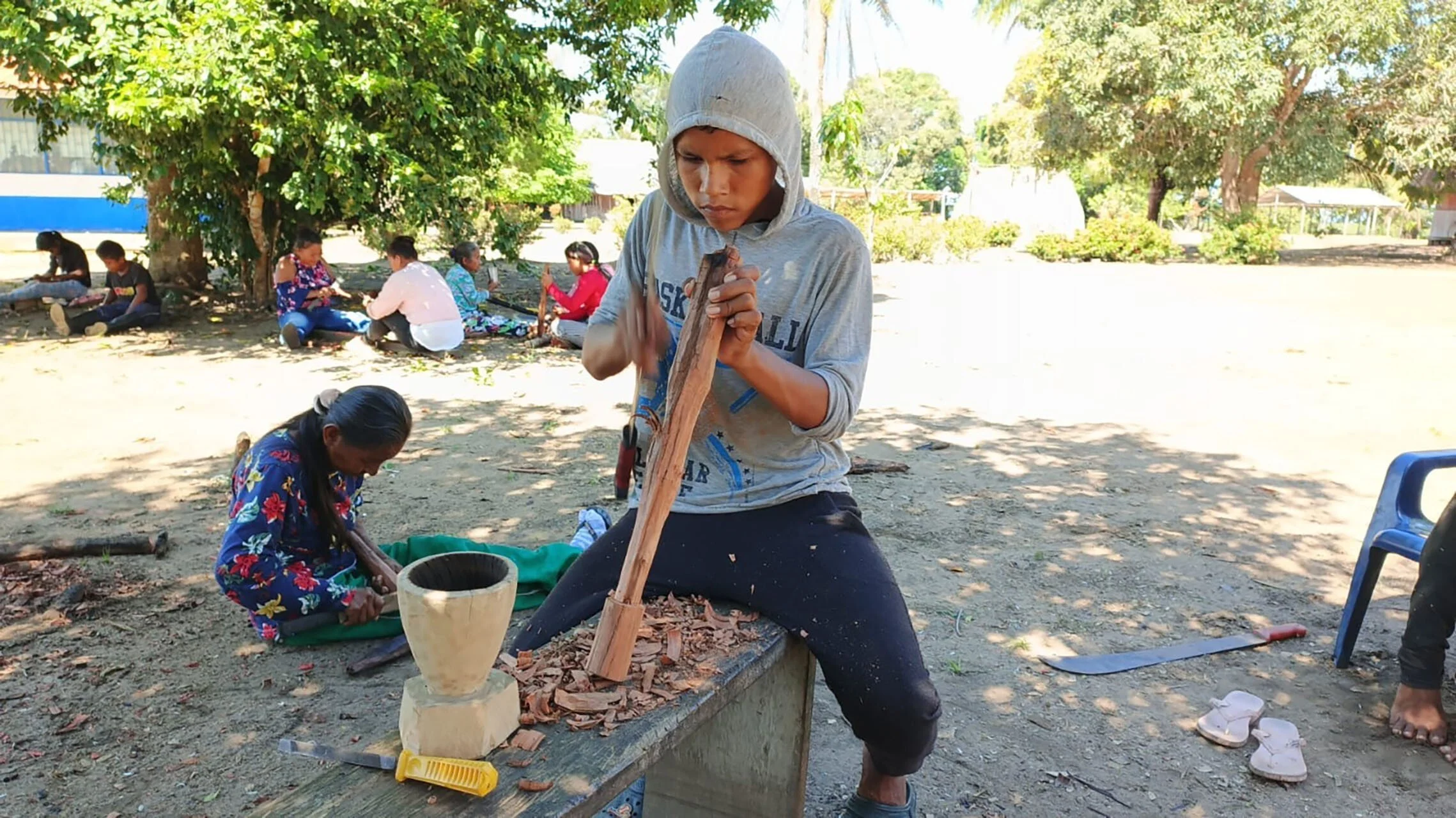
Implementation of a culturally grounded education program focused on weaving at Escuela Andrés Bello, including workshops for children and adults, the development of an educational booklet and program systematization, as well as technical support and coordination with public institutions.
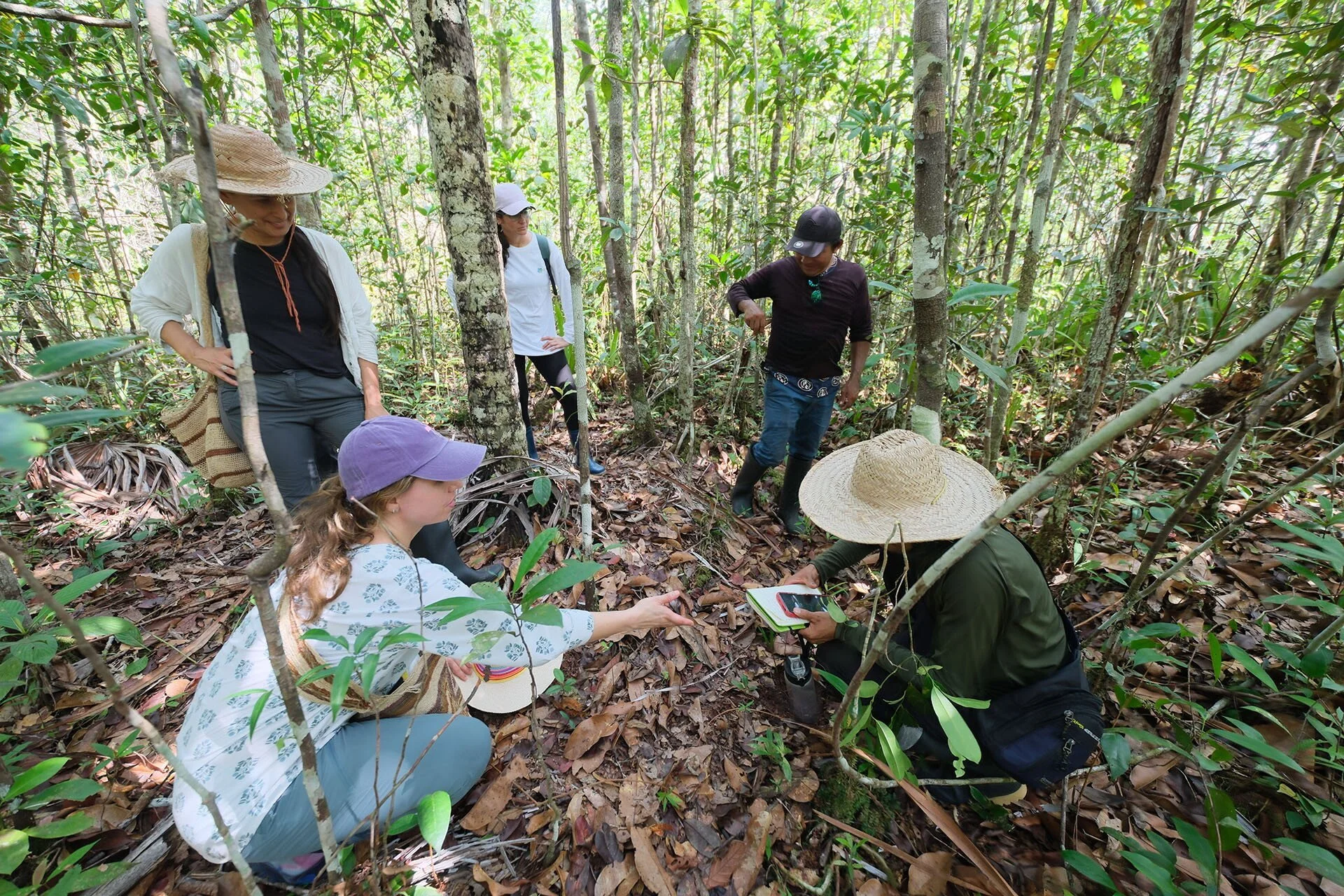
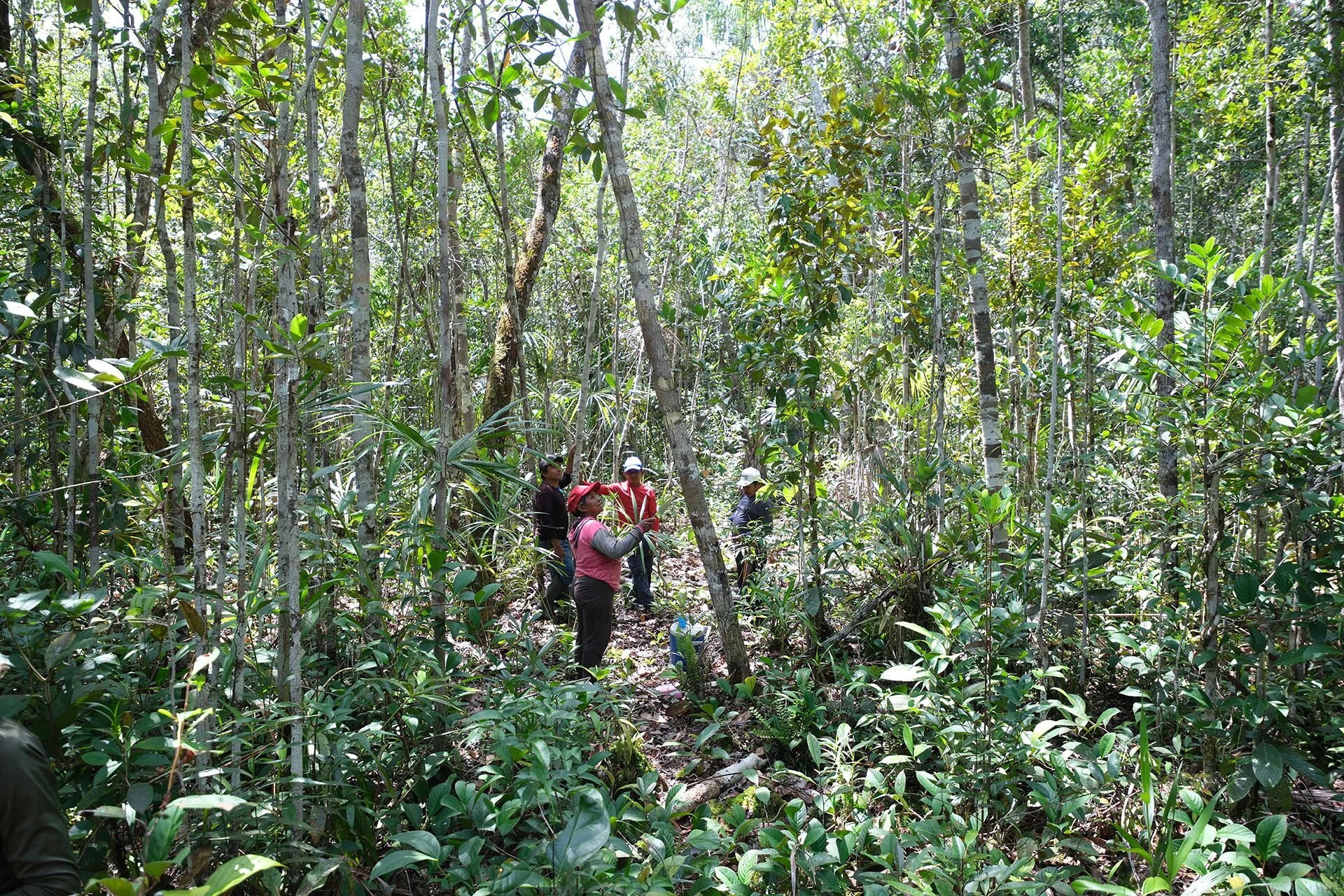
Creation of two ecological regeneration areas for raw materials in the community’s territory, including mapping and monitoring of vines and fibers, the establishment of protection zones, the development of an ecological management calendar, and technical support to strengthen environmental practices.
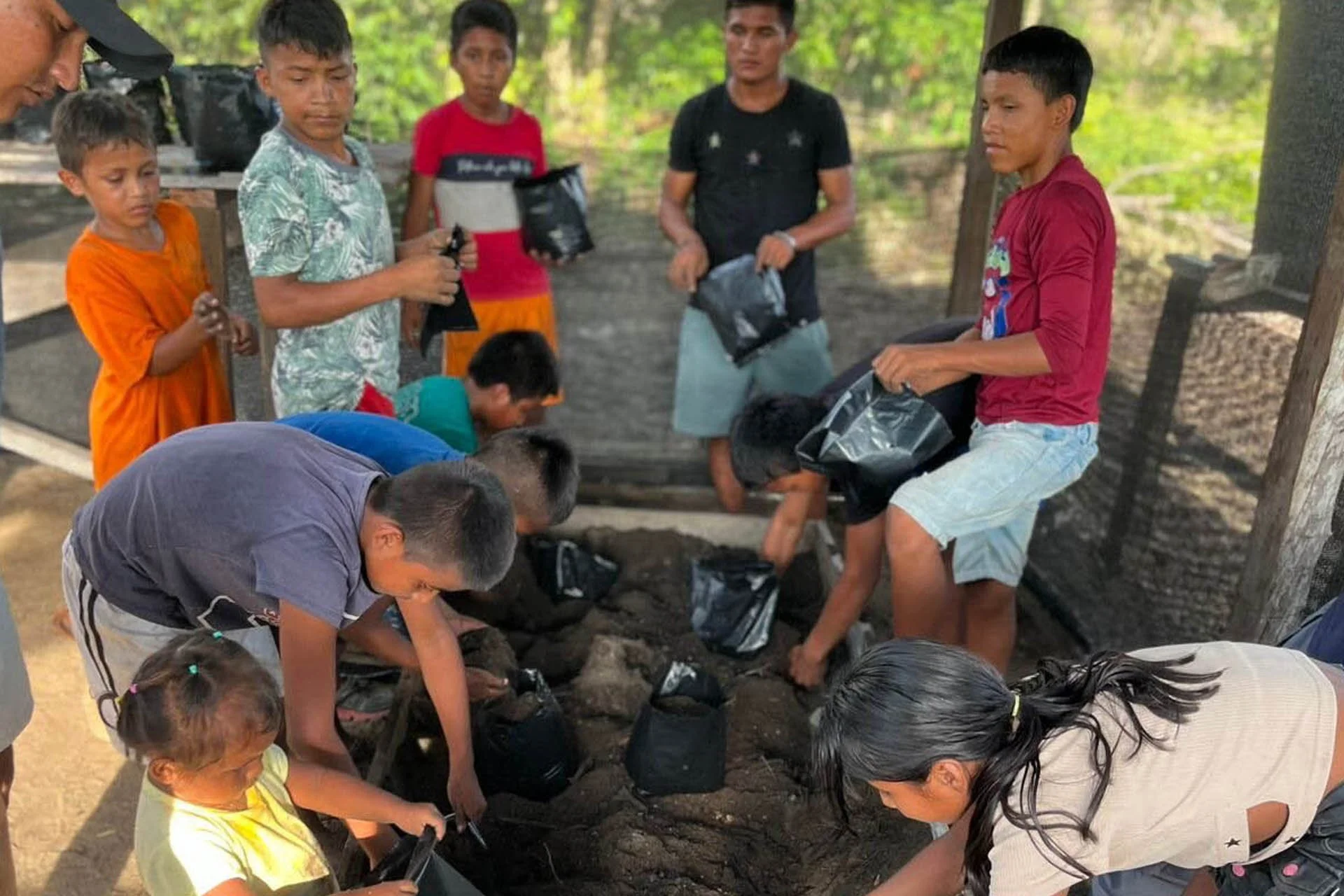
Provision and setup of a plant nursery space as an extension of the Weaving School in the La Urbana/Pueblo Nuevo community, including participatory design of the space, collection of seeds and cuttings, and planting activities.
Results
The weaving school has encouraged children and youth in the community to reconnect with their Indigenous identity by recovering ancestral knowledge and promoting the intergenerational transmission of traditional weaving practices. Community members highlight that this process has helped restore collective work and strengthen their sense of belonging.
The community has also developed an intercultural educational model with pedagogical tools that support dialogue with government institutions, helping strengthen the Community Educational Project (PEC) of the Piaroa People.
Through collective reflection, territorial learning activities, and observation of natural materials, the community has renewed awareness of the importance of revitalizing their ecological calendars and traditional practices for caring for wild plants. The creation of a nursery and the exchange between agroecology and ancestral knowledge have enabled the reintroduction of fiber plants that had disappeared from the territory, supporting the sovereignty and sustainability of their materials.